A candid black-and-white documentary wedding photo of a couple walking through a cobblestone village square, with natural body language and soft overcast light.
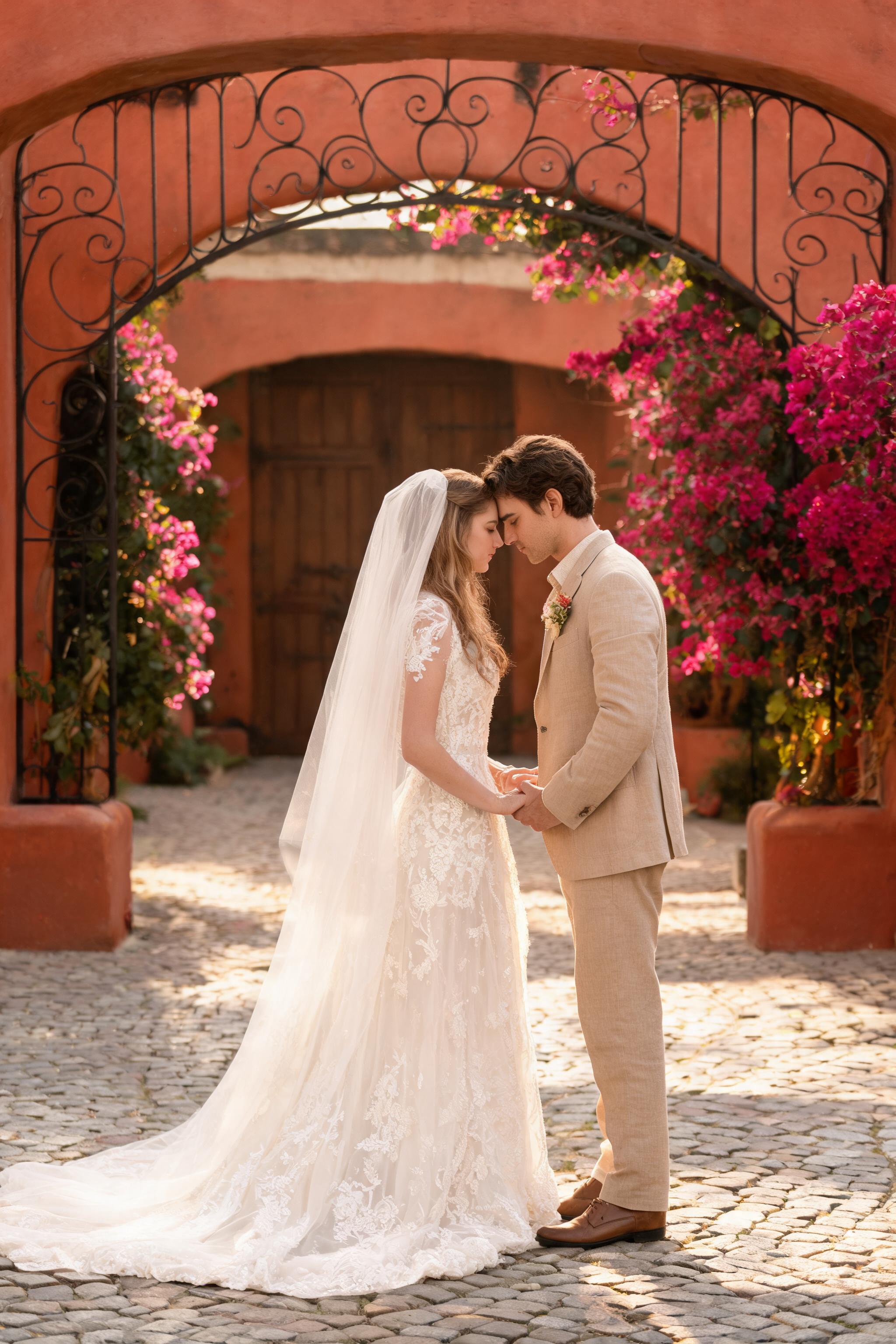
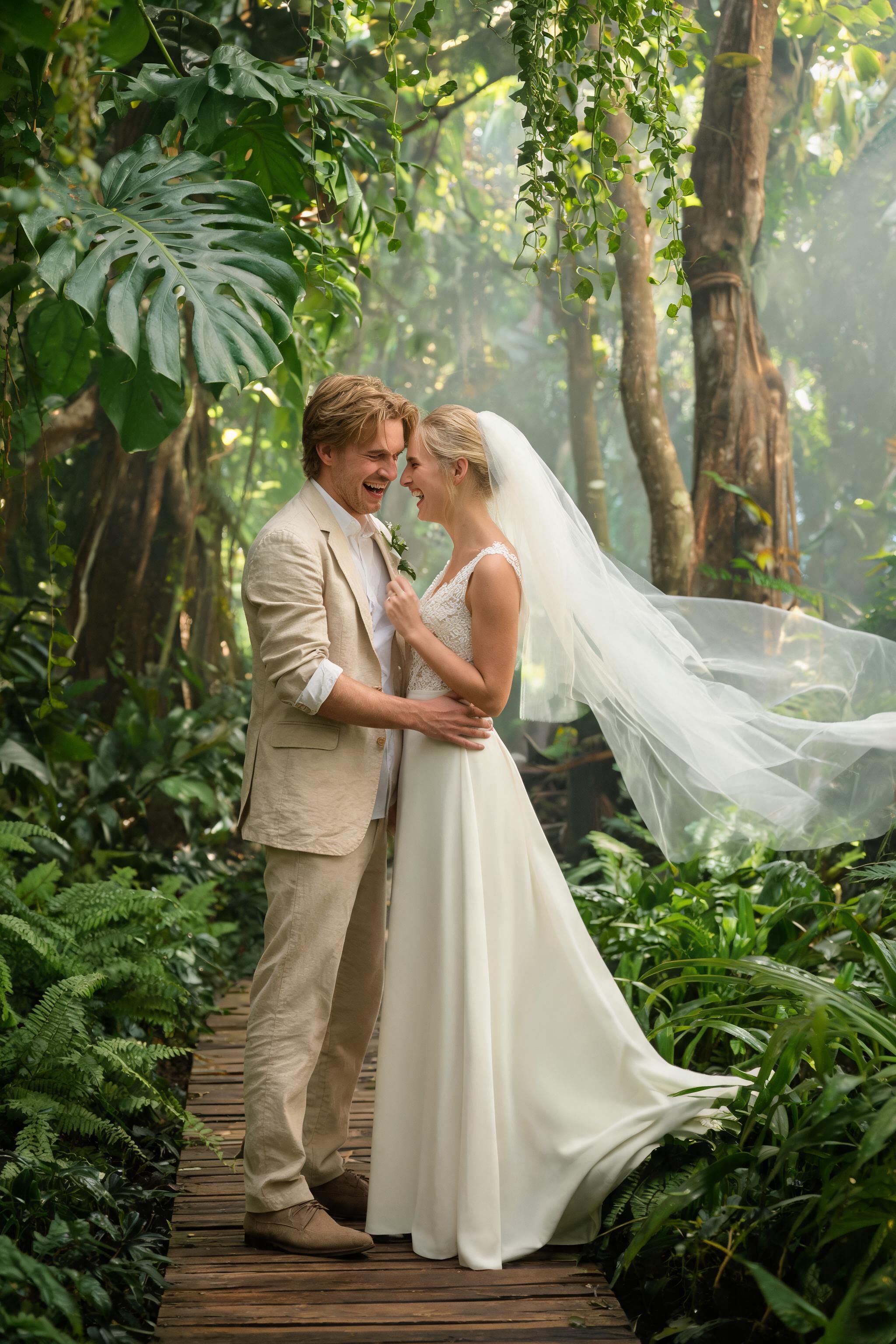
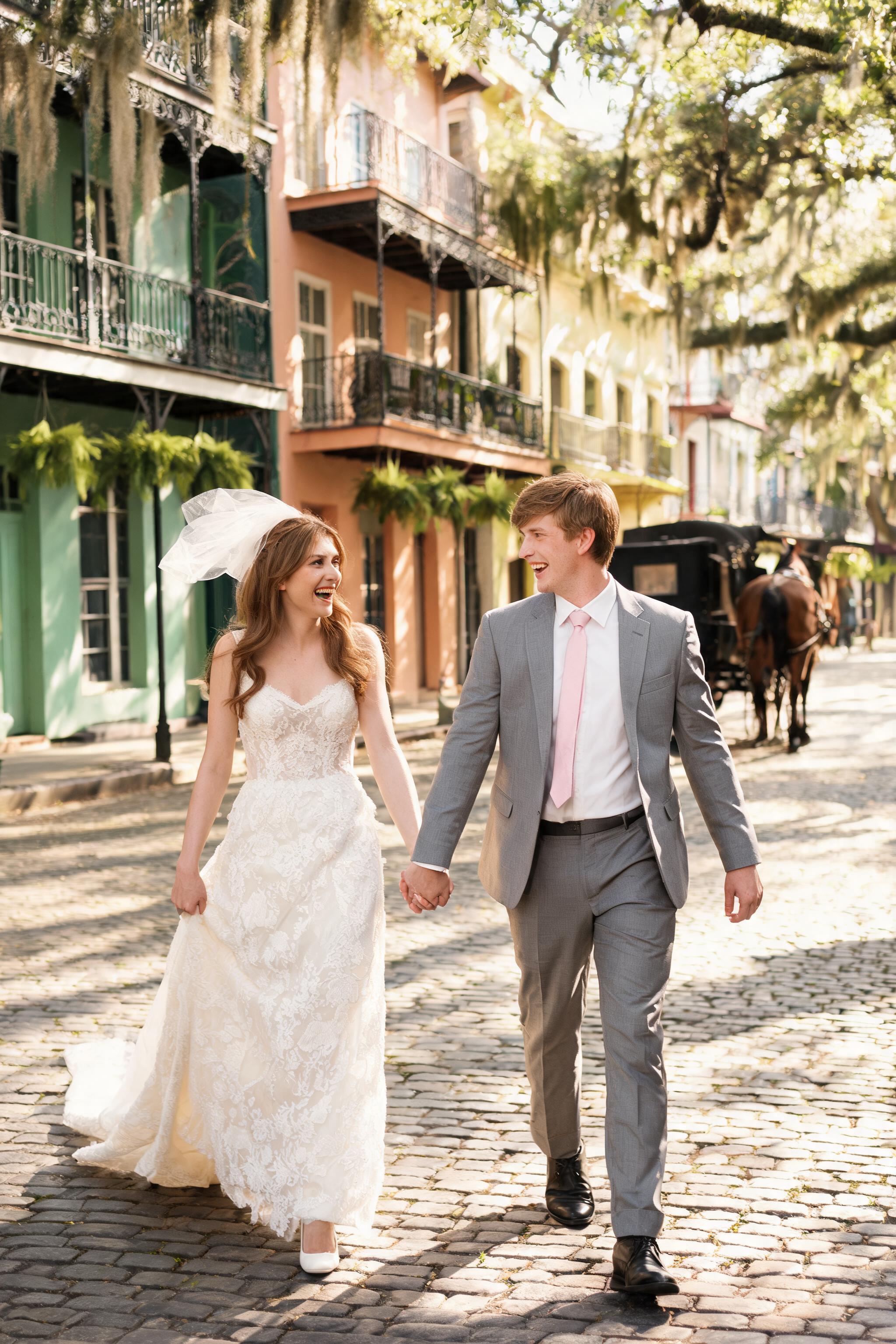
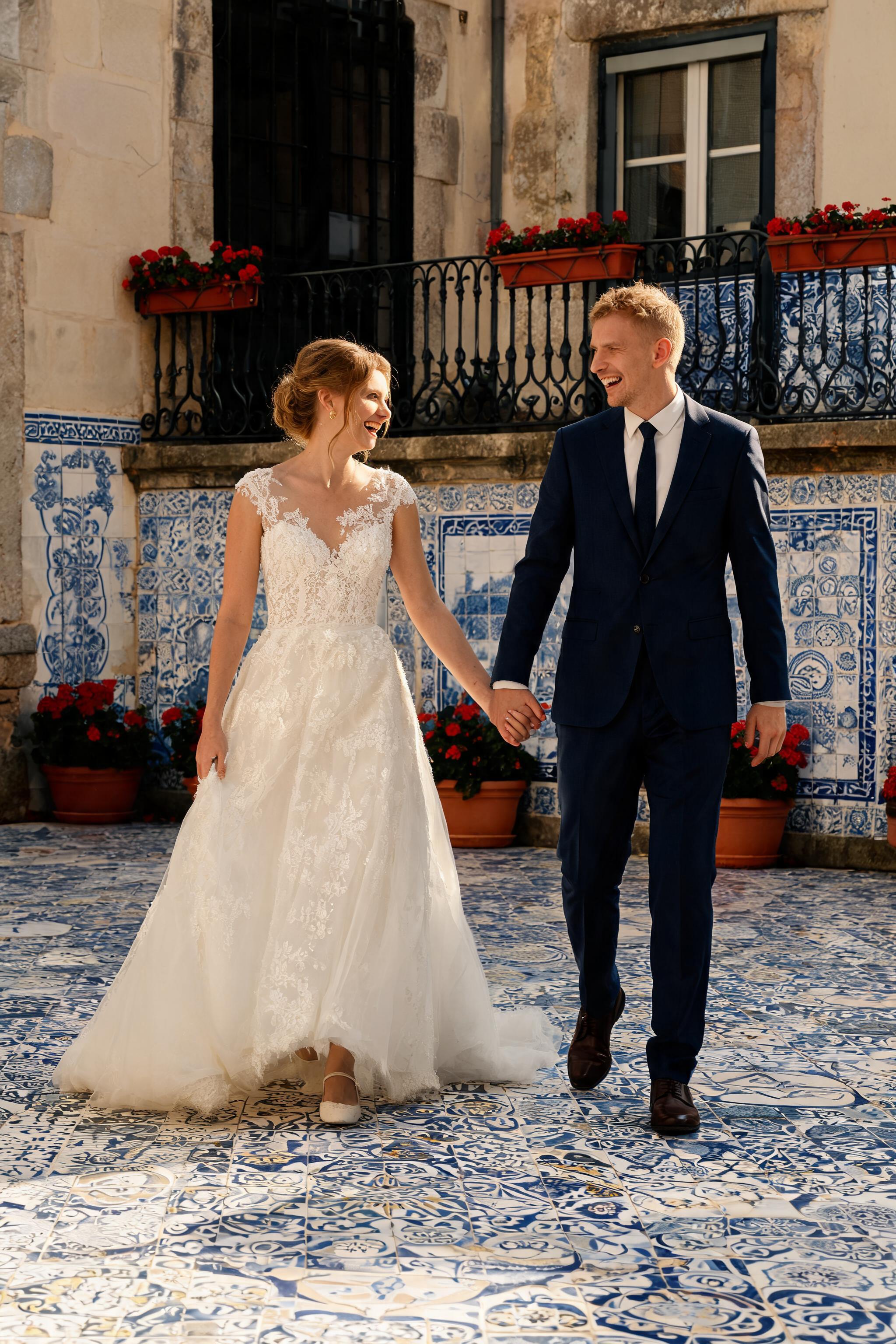
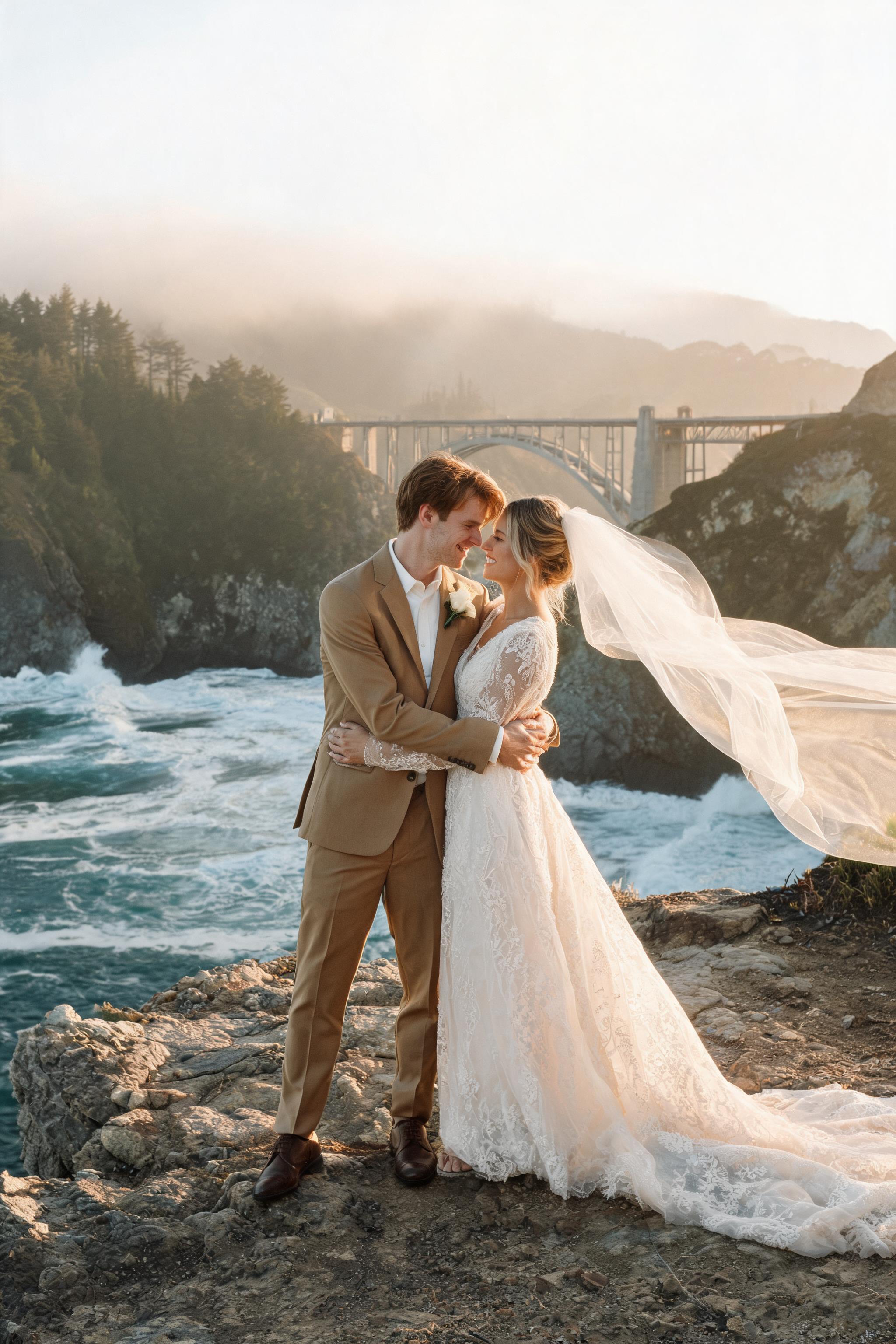
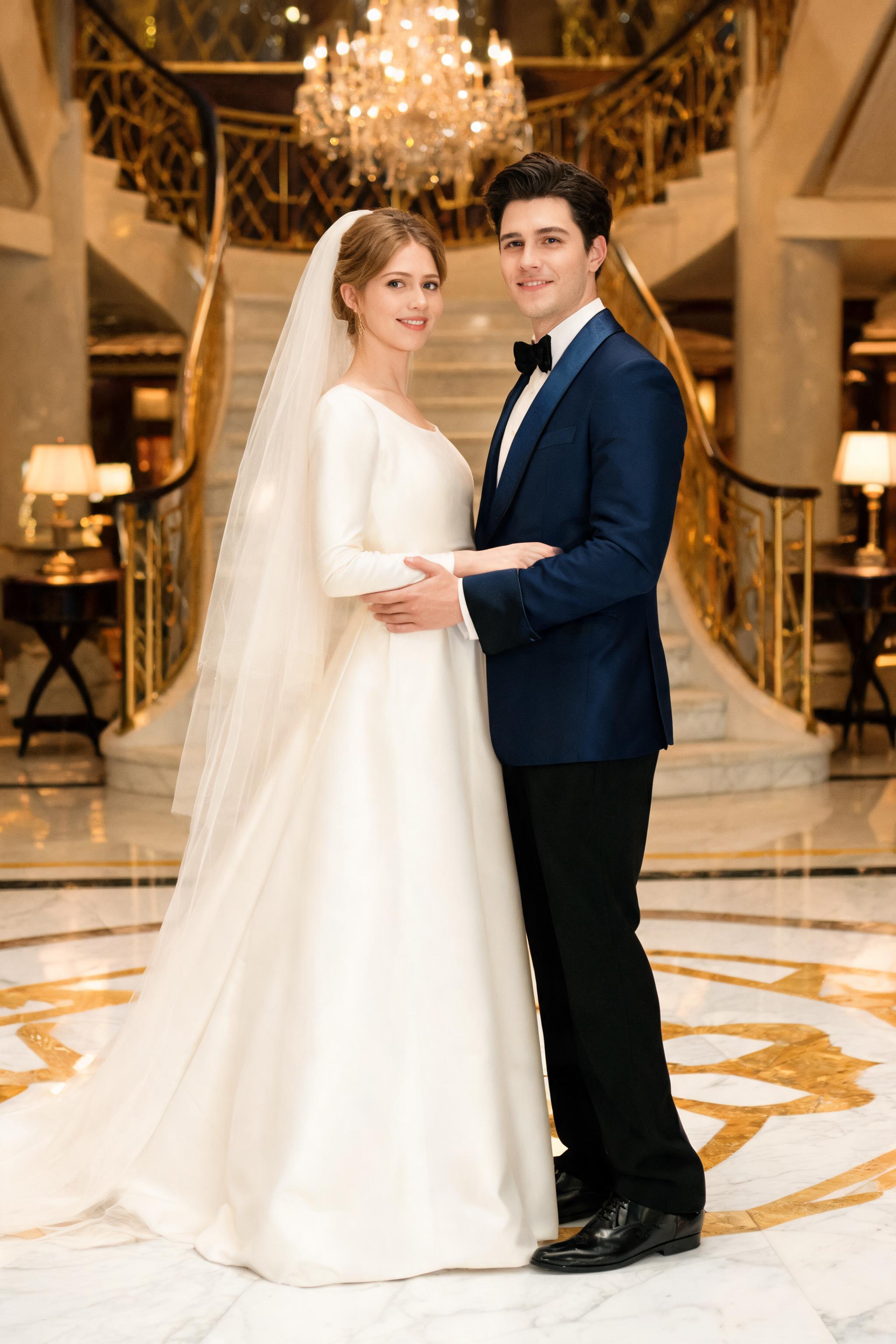
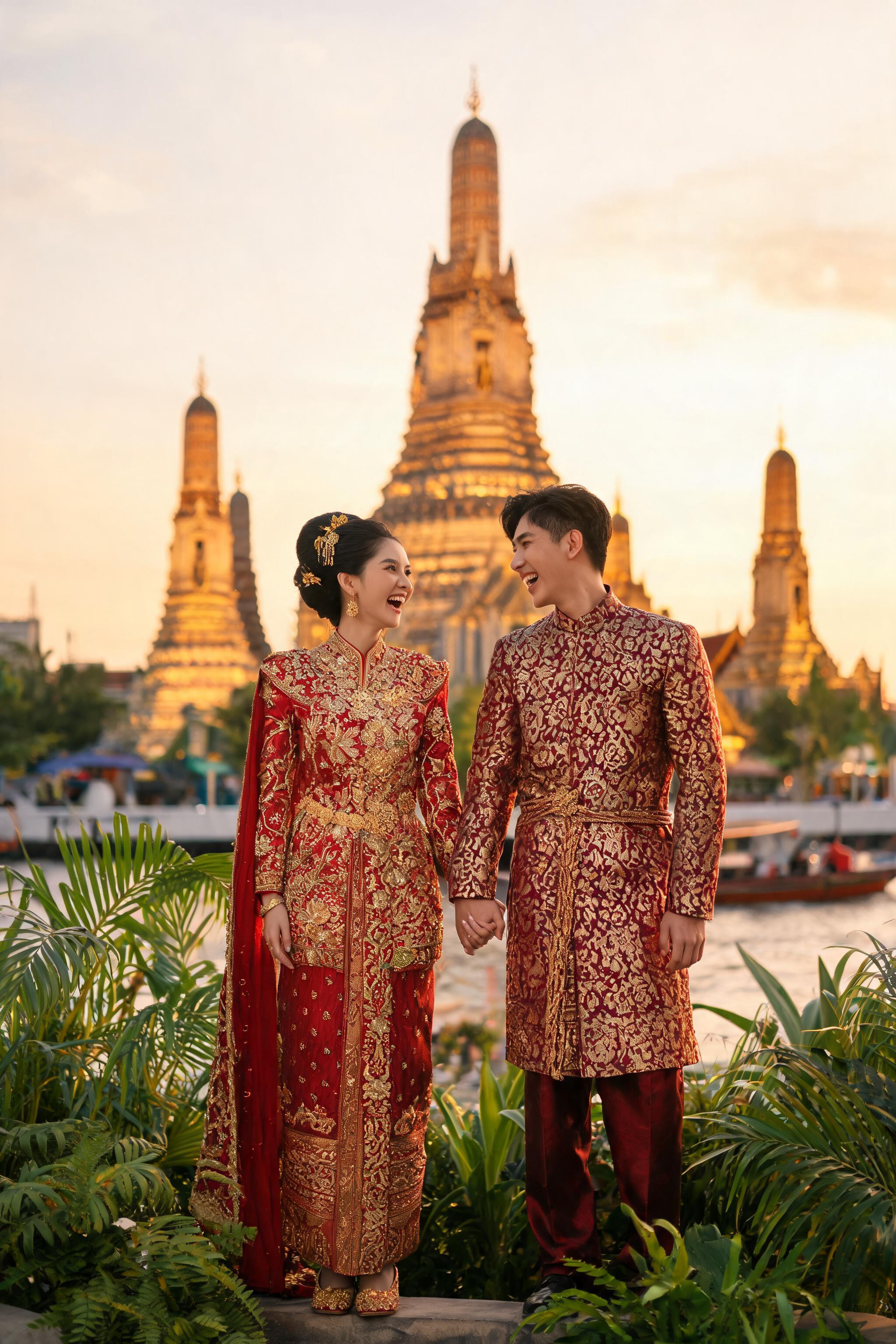
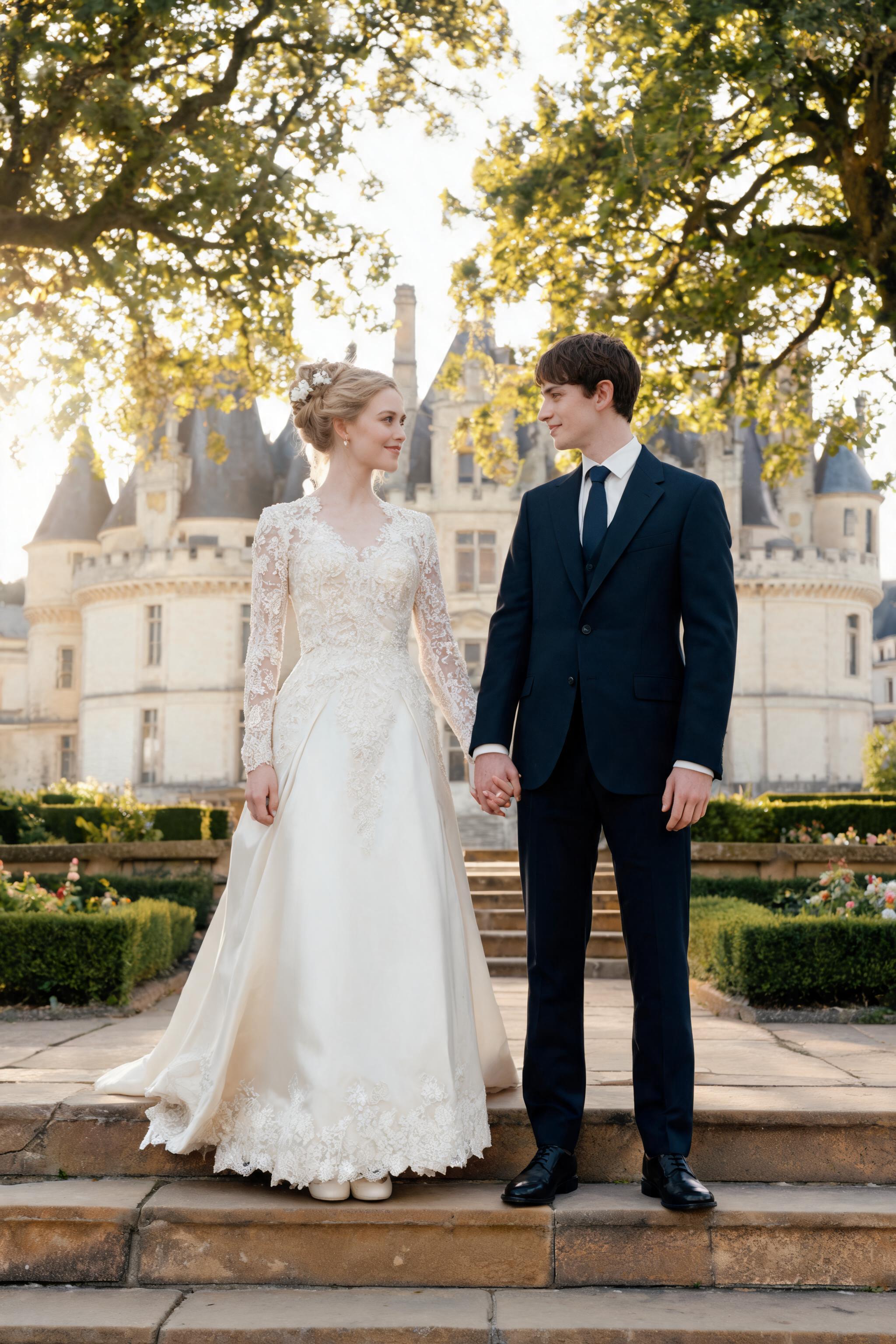
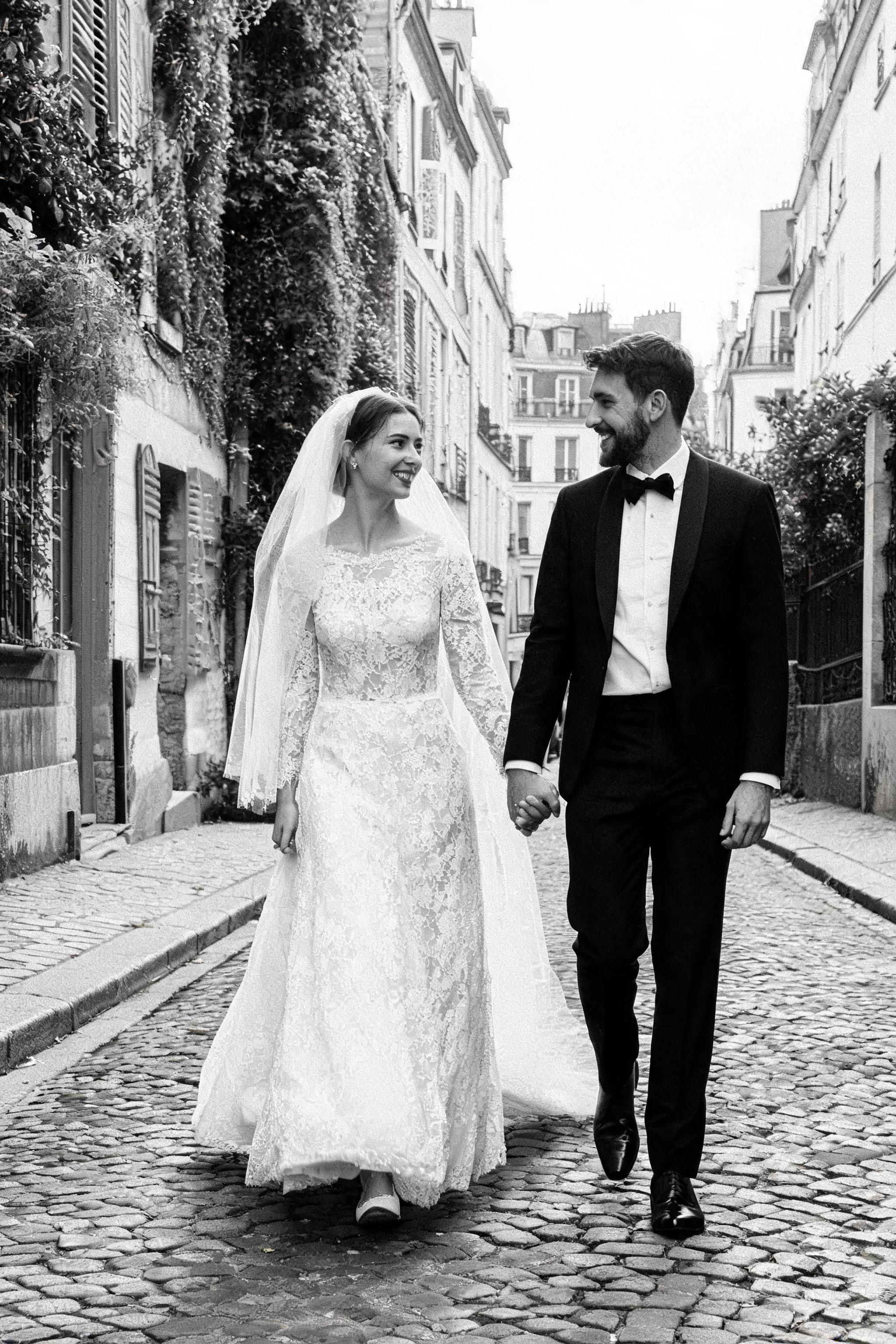
There’s a quiet magic in black-and-white documentary wedding photos—the way they strip away distraction and leave only the story. Picture a bride in a simple silk slip dress, her lace-trimmed veil catching the breeze, and a groom in a charcoal suit with his tie loosened just enough. They walk through a cobblestone square, laughing, mid-conversation, while guests blur into the background. The overcast light softens every shadow, and the Ilford HP5 film grain adds a rich, tactile texture. This look isn’t about posed perfection; it’s about the honest, unguarded moments that make a wedding day feel real. The high contrast and deep blacks give each frame an editorial, timeless quality, while the full-body composition keeps the village setting—stone buildings, café chairs, a distant spire—clearly in view. It’s candid, cinematic, and utterly genuine.
Choose a location with textured stone or cobblestones and overcast light—a village square or historic street—to get soft shadows and rich tonal contrast.
Opt for a simple silk slip dress and a charcoal wool suit; loosen the tie slightly for a relaxed, documentary feel that reads well in black and white.
Stick to off-white, charcoal, and mid-gray tones; these translate into deep blacks and bright highlights on film, avoiding distracting colors.
Plan a casual walk together after the ceremony, allowing laughter and conversation to unfold naturally while guests blur in the background.
This black-and-white documentary look differs from nearby styles in its emphasis on unposed, candid moments and natural body language. While other approaches might focus on posed portraits or vibrant color, this style uses overcast light and film grain to create a timeless, editorial mood, with the village square setting adding a sense of place and story.
Documentary photos capture candid, unposed moments as they happen, focusing on natural body language and real emotion. Traditional portraits are often directed and posed. The black-and-white treatment adds a timeless, editorial quality that emphasizes light, shadow, and story over color.
Overcast daylight creates soft, diffused shadows that flatter faces and reduce harsh contrast. It allows for rich tonal range in black and white, with deep blacks and bright highlights, while keeping the scene evenly lit and the mood relaxed.
Film grain, like that from Ilford HP5, adds texture and a tactile, organic feel. It enhances the high-contrast black-and-white palette, giving images a timeless, slightly gritty quality that feels authentic and unpolished, perfect for documentary storytelling.
Simple, elegant attire works best: a silk slip dress for the bride and a charcoal wool suit for the groom. Avoid busy patterns or bright colors, as they can distract in black and white. Relaxed styling, like a loosened tie, adds to the candid feel.