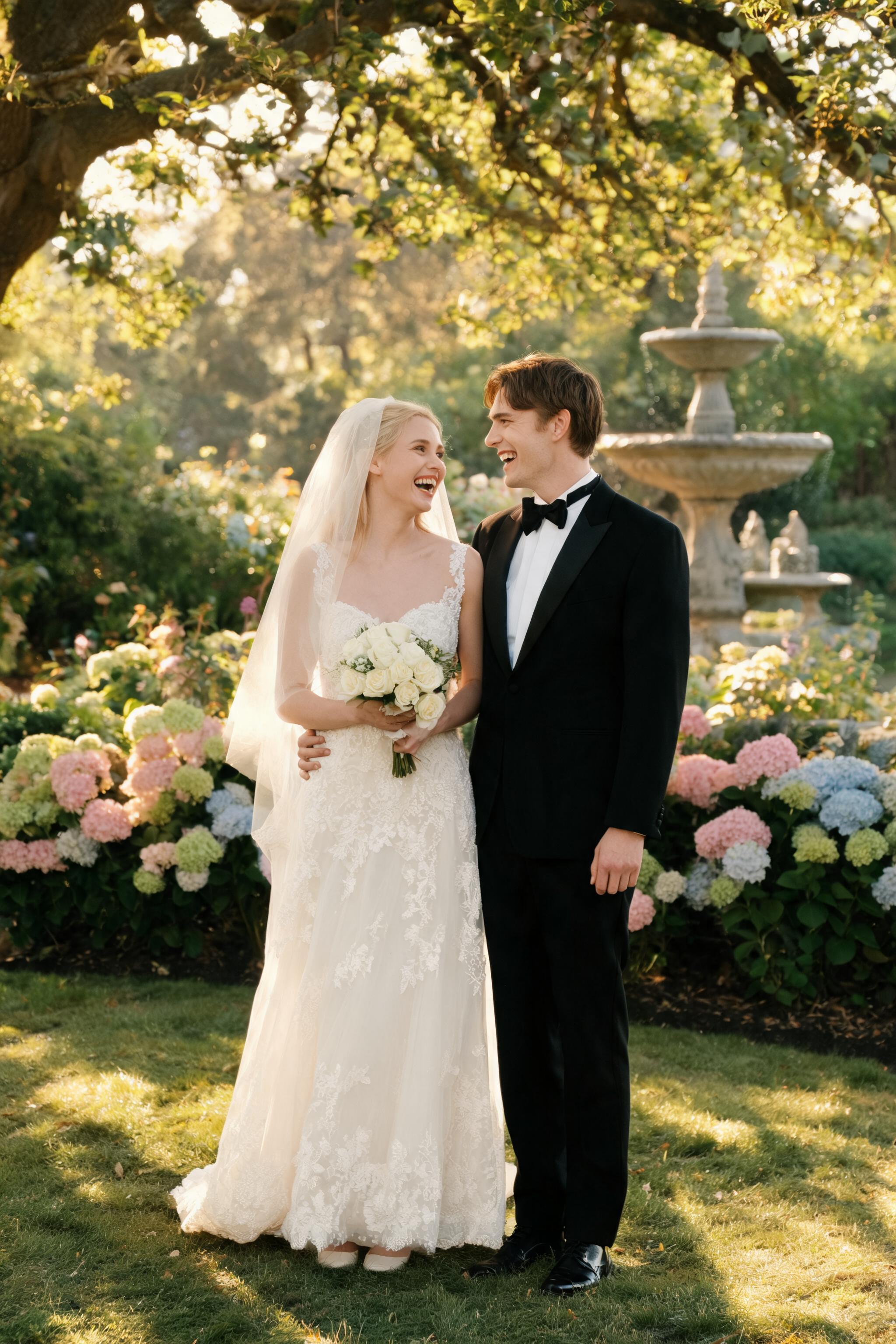
A romantic wedding portrait in a serene Japanese garden, featuring a couple in traditional shiromuku and montsuki attire on a wooden bridge over a koi pond, surrounded by maples and stone lanterns.

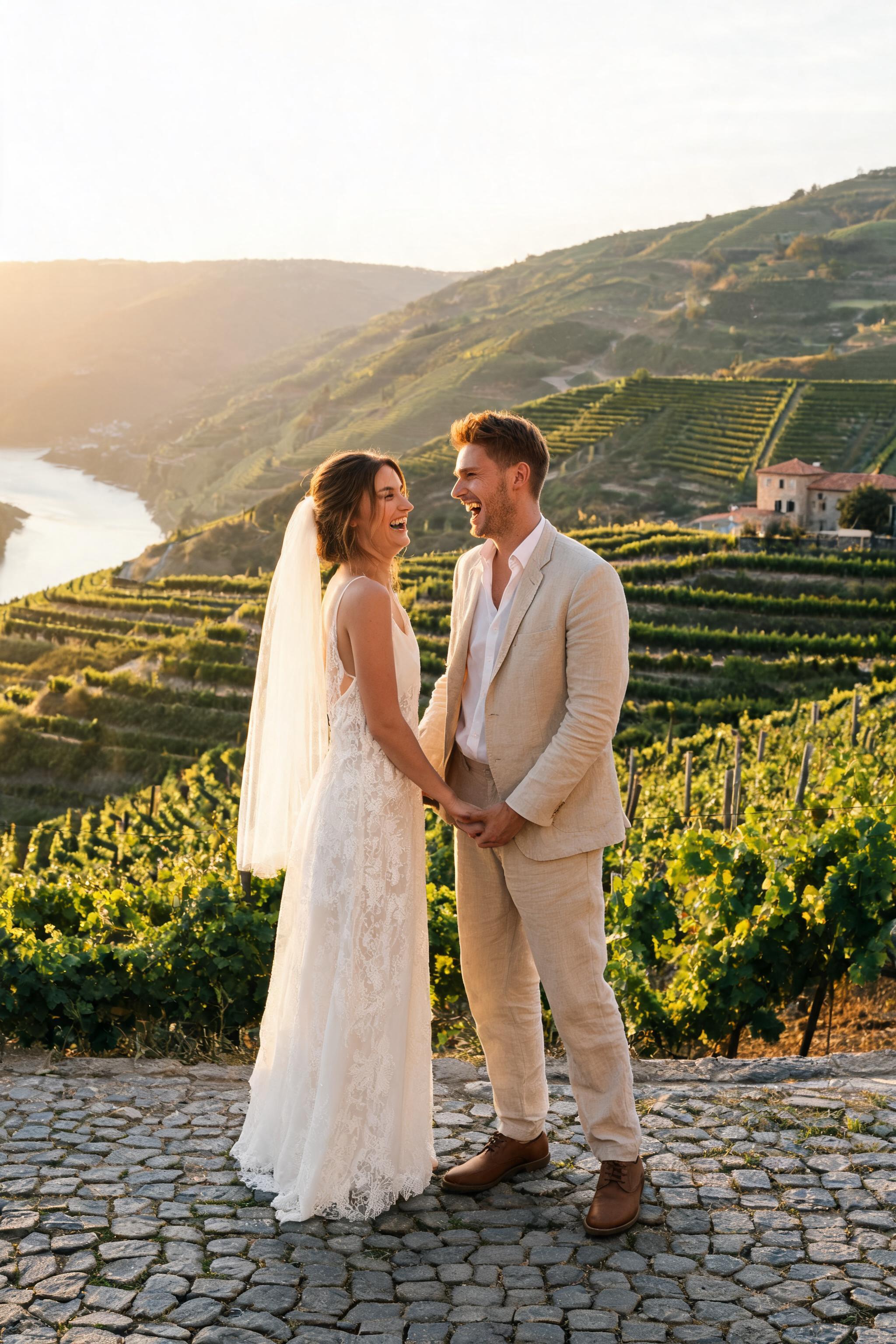
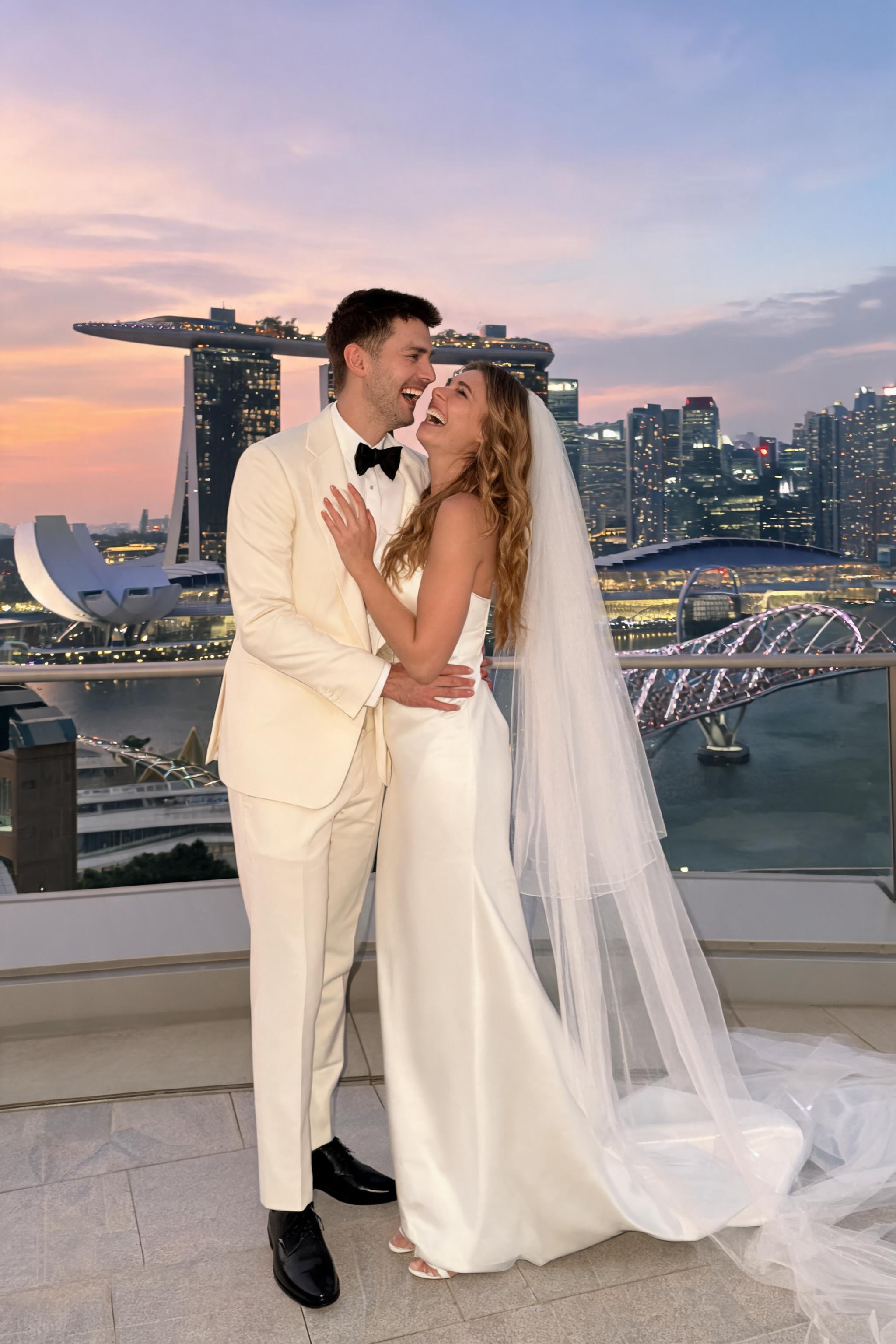
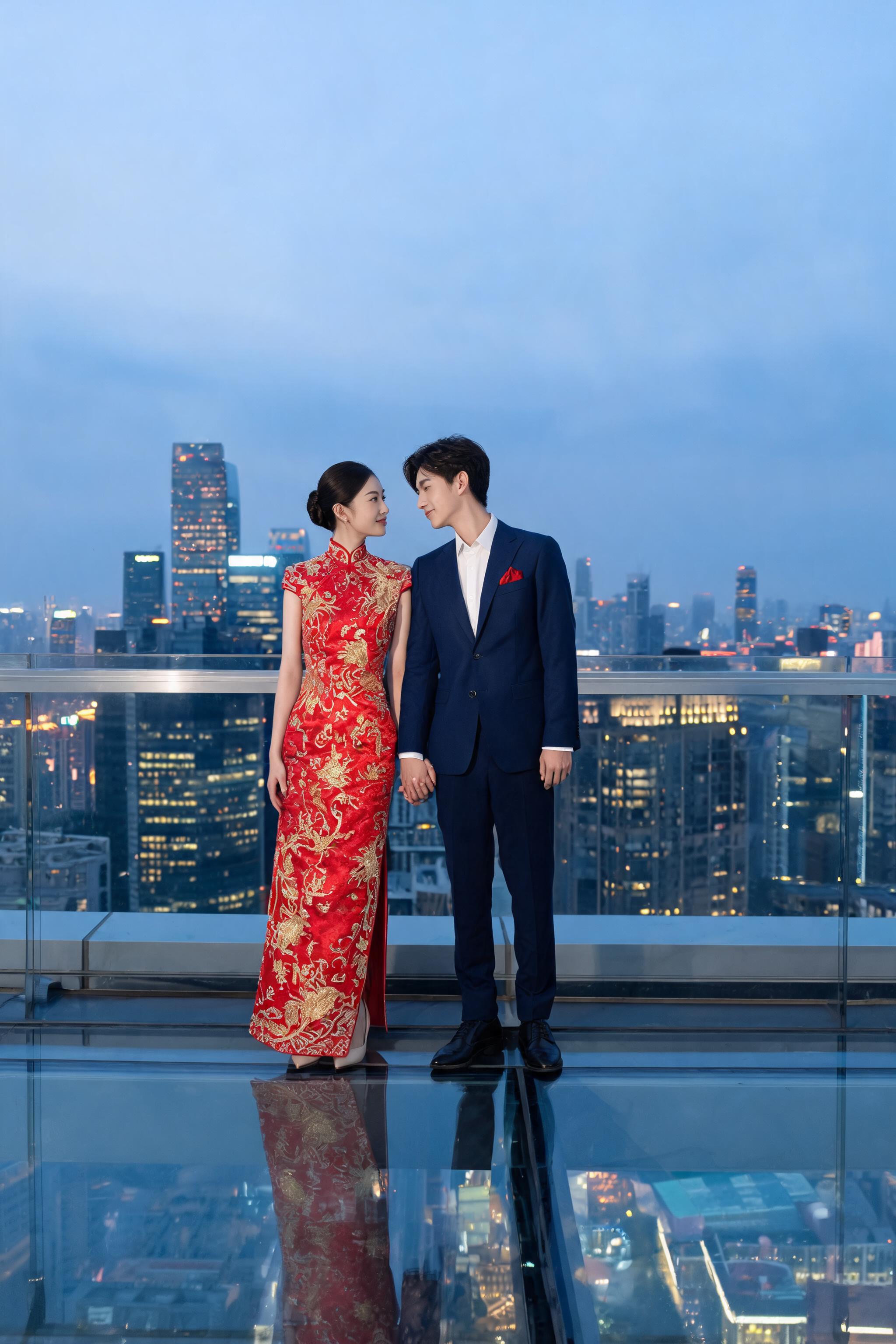

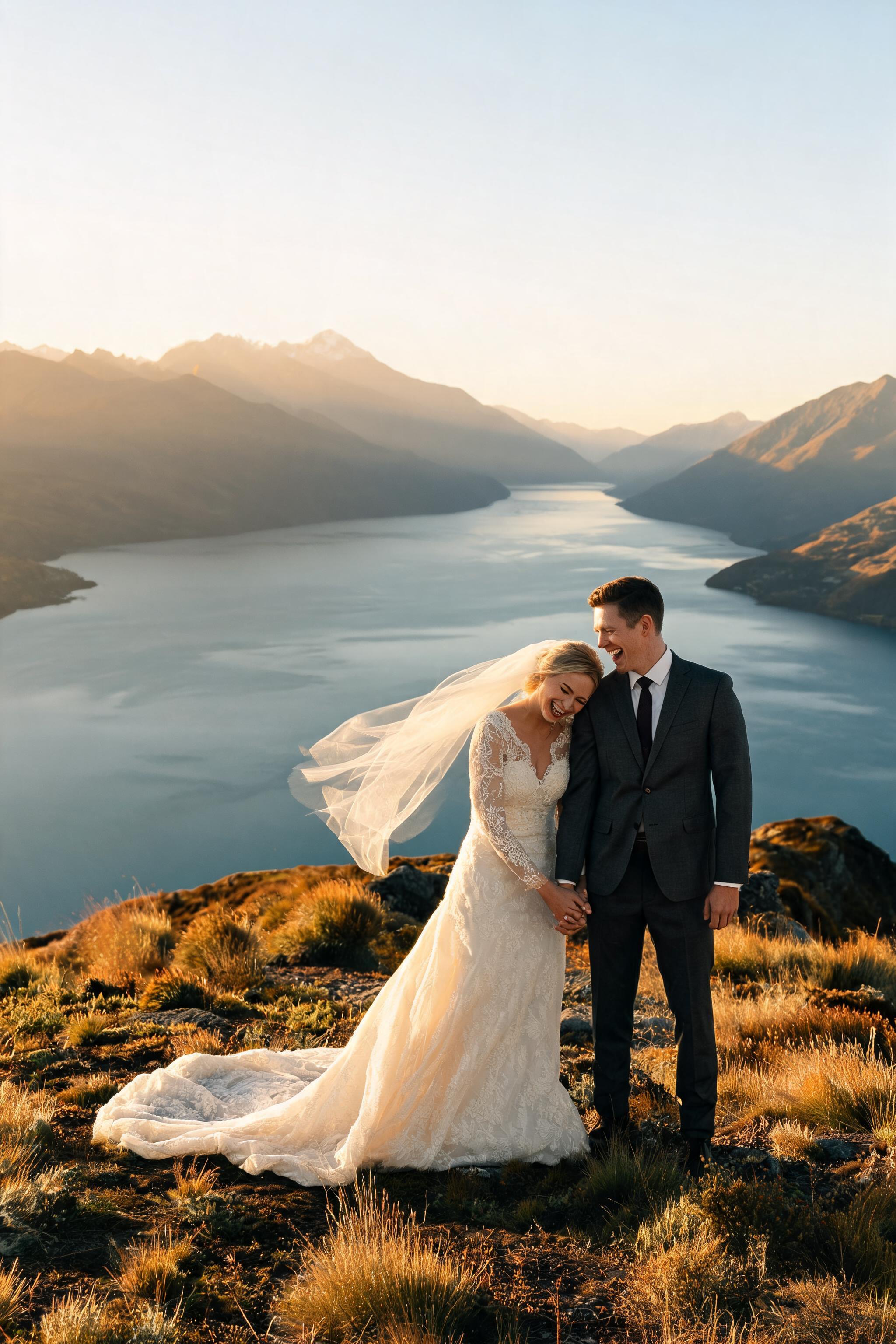
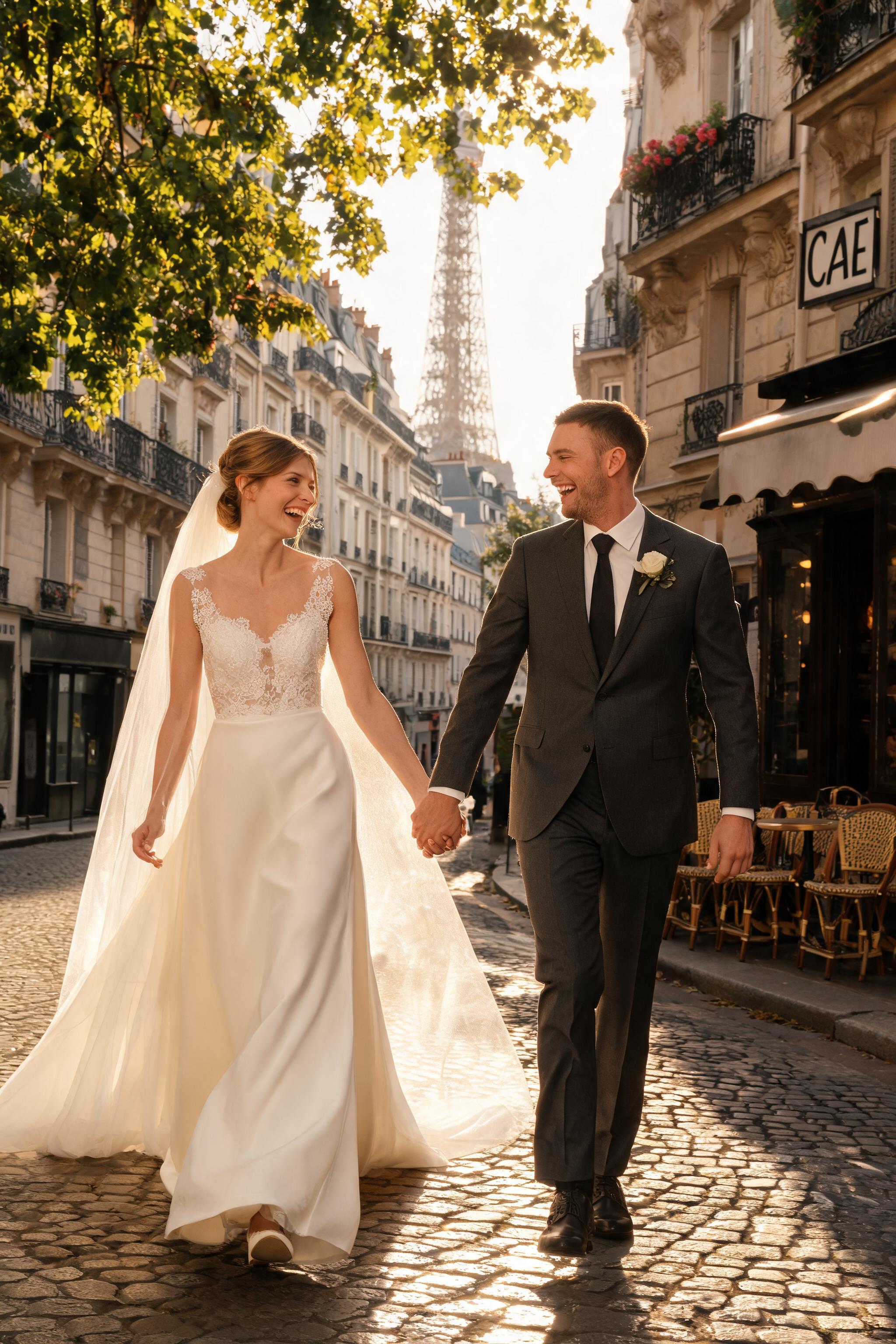
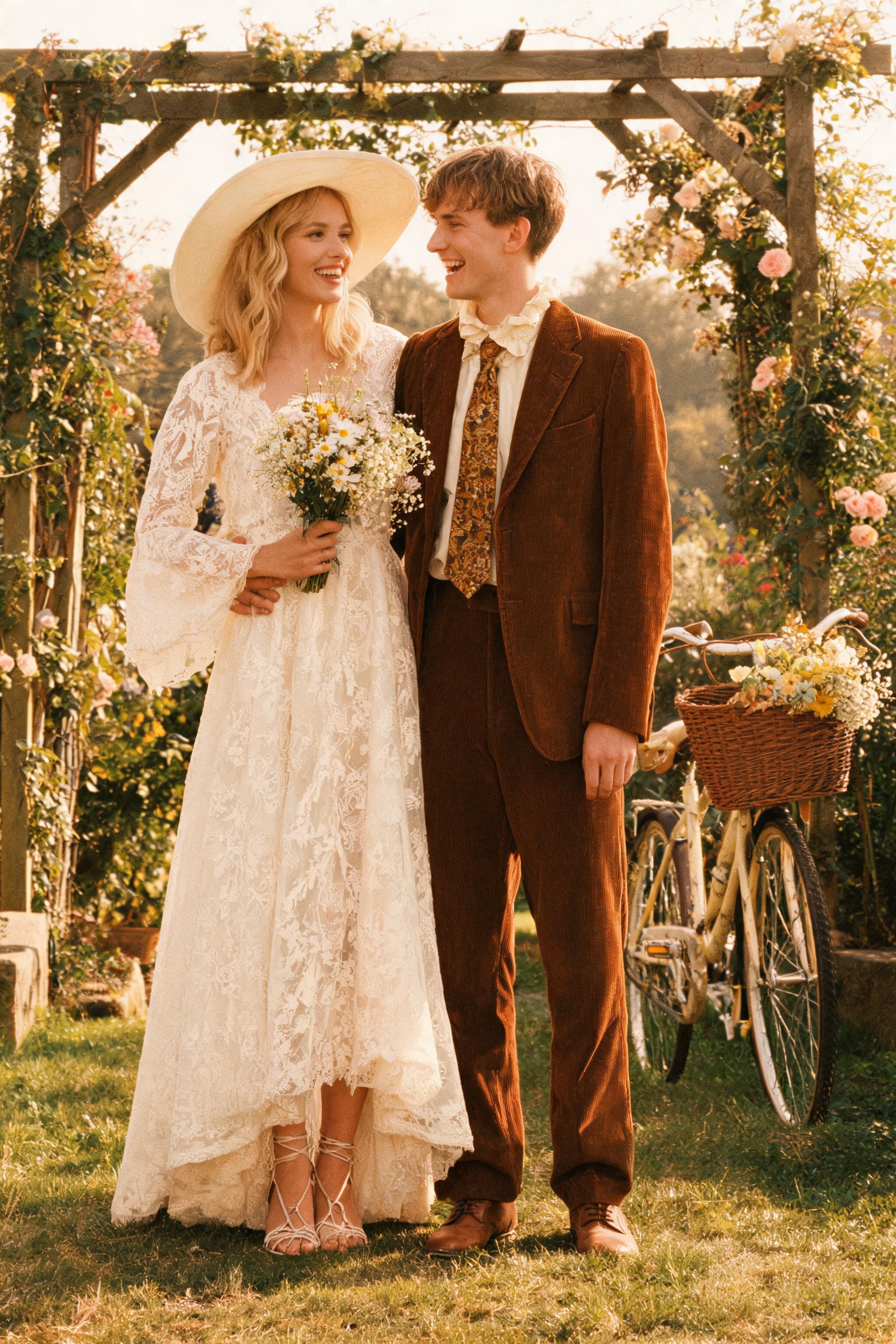

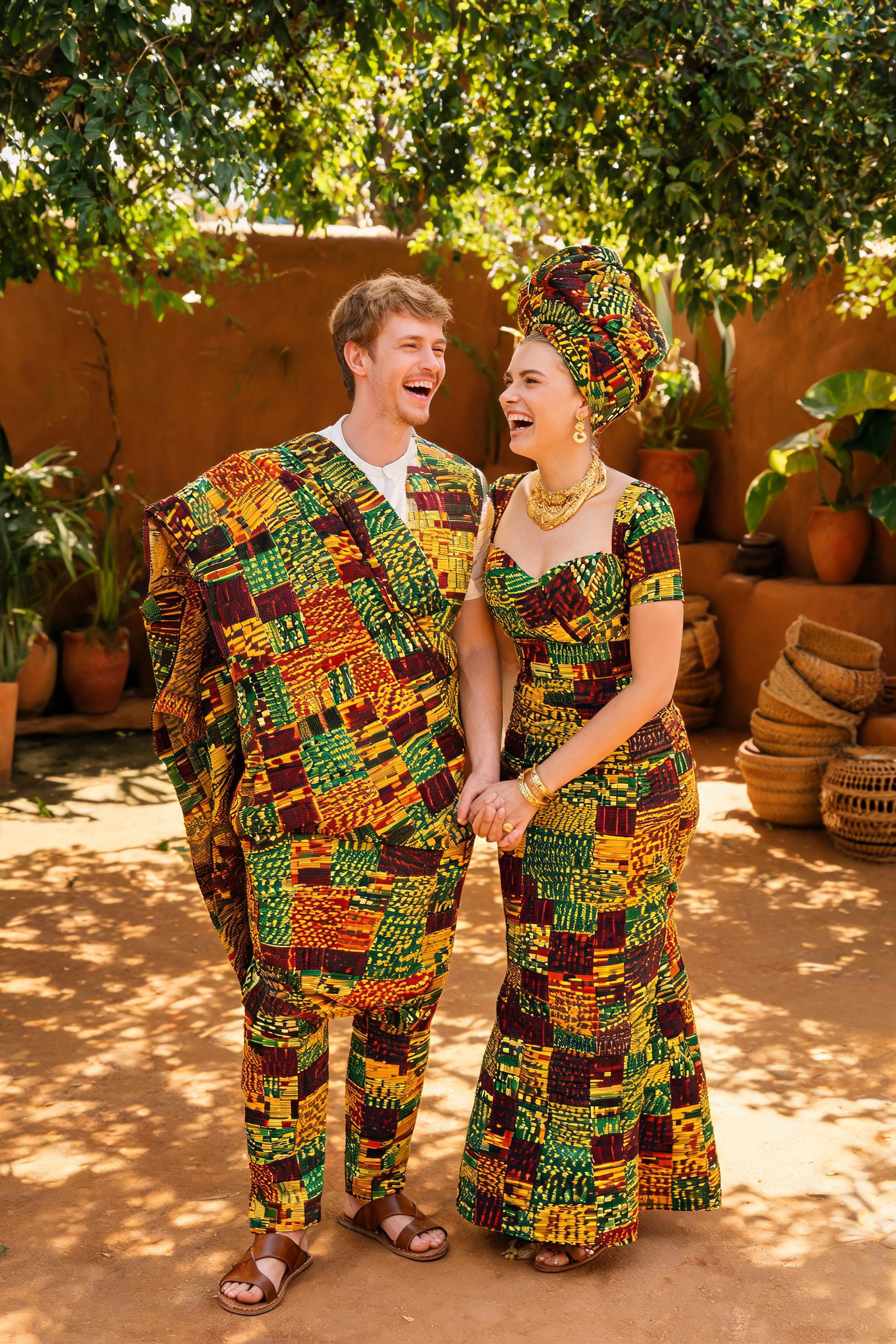
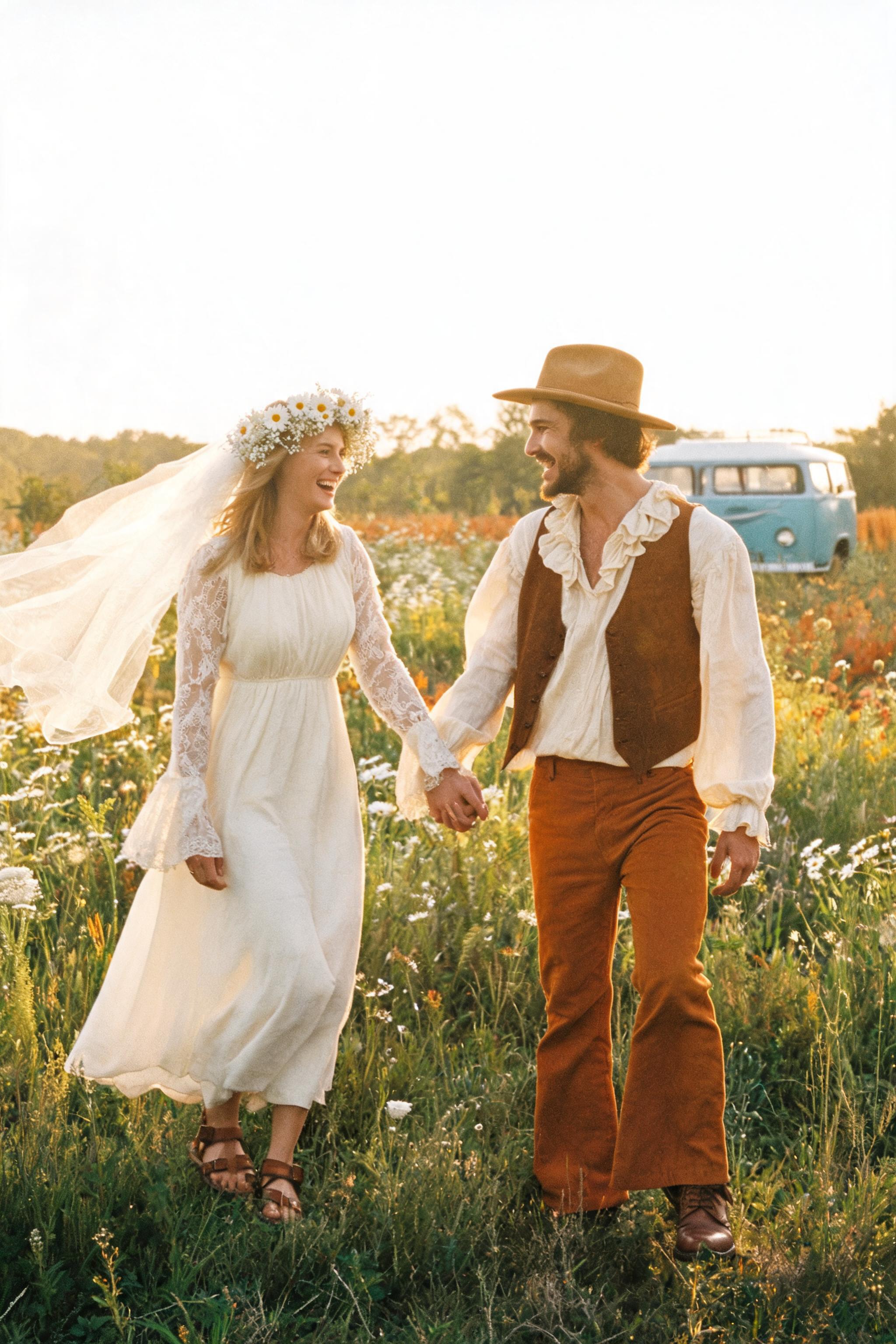

Imagine a wedding portrait where every detail whispers serenity: a wooden bridge arching over a koi pond, crimson maples filtering late-afternoon light, and stone lanterns standing like ancient witnesses. The bride wears a silk shiromuku with intricate embroidery, her wataboshi framing a candid laugh as the groom, in formal black montsuki and hakama, gently rests his hand on her sleeve. The palette—deep greens, vermilion, gold, and crisp white—feels both timeless and intimately modern. This is not a stiff ceremonial pose but a stolen moment, full-body and head-to-toe, where the raked gravel garden, bamboo fence, and distant tea house compose a quiet stage. The mood blends refined Western editorial elegance with Japanese tradition, creating images that feel like a private world. Whether you marry in Japan or bring the aesthetic to a local garden, this look captures the hush of falling leaves and the warmth of shared joy.
Choose a garden with a wooden bridge over water and mature maples; the bridge offers a natural stage, and the water reflects light, while maples provide the crimson and gold accents.
For the bride, a silk shiromuku with intricate embroidery and a wataboshi; for the groom, a black montsuki haori and hakama with a family crest. Ensure the outfits are complete head-to-toe for full-body shots.
Embrace deep greens, vermilion, and gold from the garden, letting the crisp white of the bridal kimono stand out; avoid adding bright modern colors that clash with the traditional scheme.
Plan for late afternoon when soft light filters through the maples, creating dappled shadows; schedule a relaxed walk to the bridge so the laugh and touch happen naturally.
This look differs from nearby wedding styles in its quiet, intimate mood and traditional Japanese setting. Instead of grand ballrooms or open fields, it uses a raked gravel garden, bamboo fence, and tea house to create a refined, editorial elegance. The attire—shiromuku and montsuki—adds cultural depth, while the candid laugh keeps it modern and personal.
A shiromuku is a formal white silk kimono worn by brides in traditional Japanese weddings. Its pure white symbolizes purification and the start of a new life. In a garden setting, it contrasts beautifully with the vibrant greens and reds of the landscape.
Absolutely. Many couples choose Japanese garden portraits for their visual beauty, regardless of ceremony type. You can wear the attire for photos only, or blend elements into a multicultural celebration. The key is respecting the cultural significance while making it your own.
Late afternoon is ideal, as the soft, angled light filters through maple leaves, creating dappled shadows and a warm glow. Midday sun can be harsh, while early morning may lack the rich colors that make the garden feel alive.
Request full-body, head-to-toe framing for key portraits. Choose a location like a bridge where you can stand without obstruction, and ask your photographer to capture both the hem of the uchikake and the groom’s hakama. This preserves the intricate details.