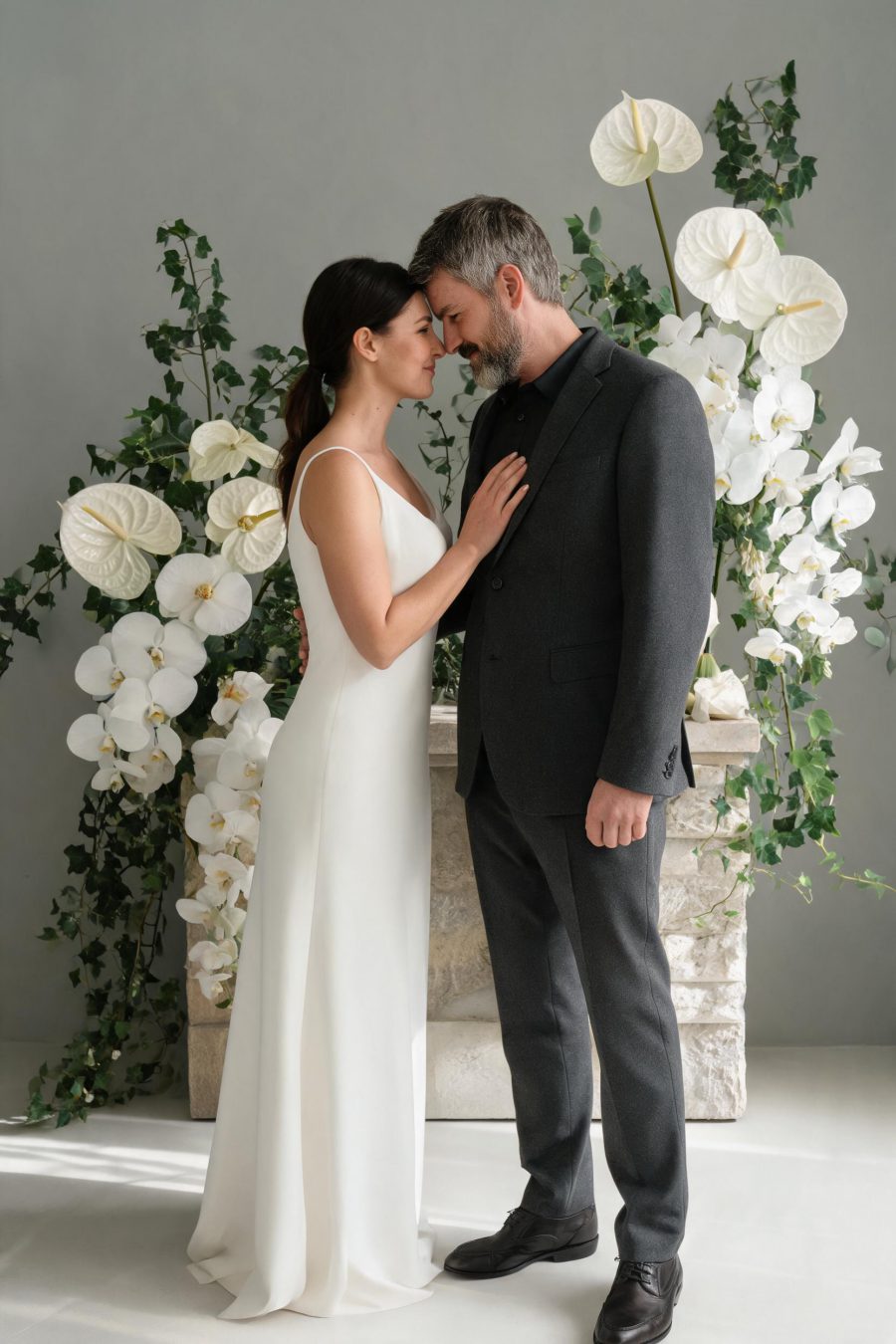
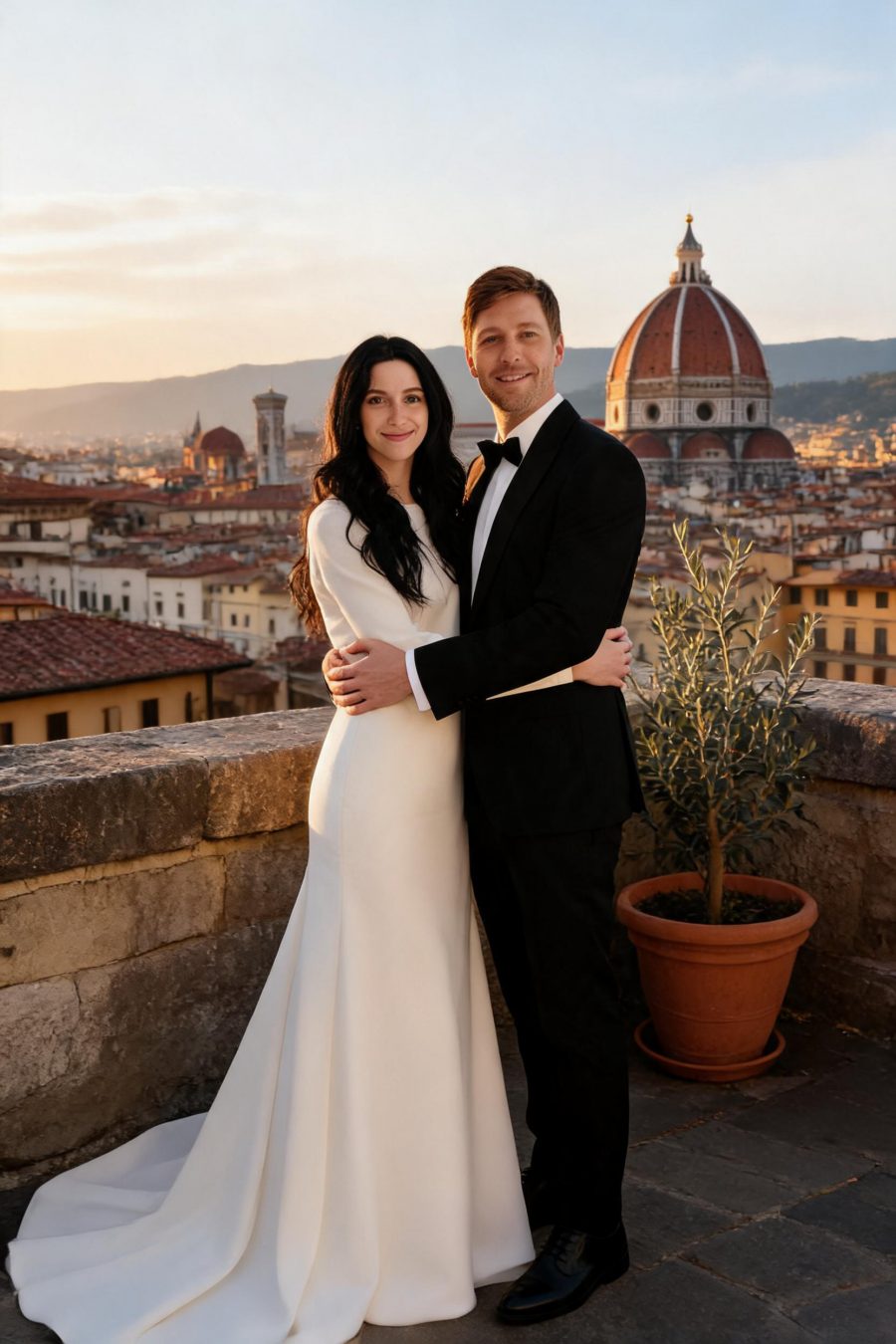
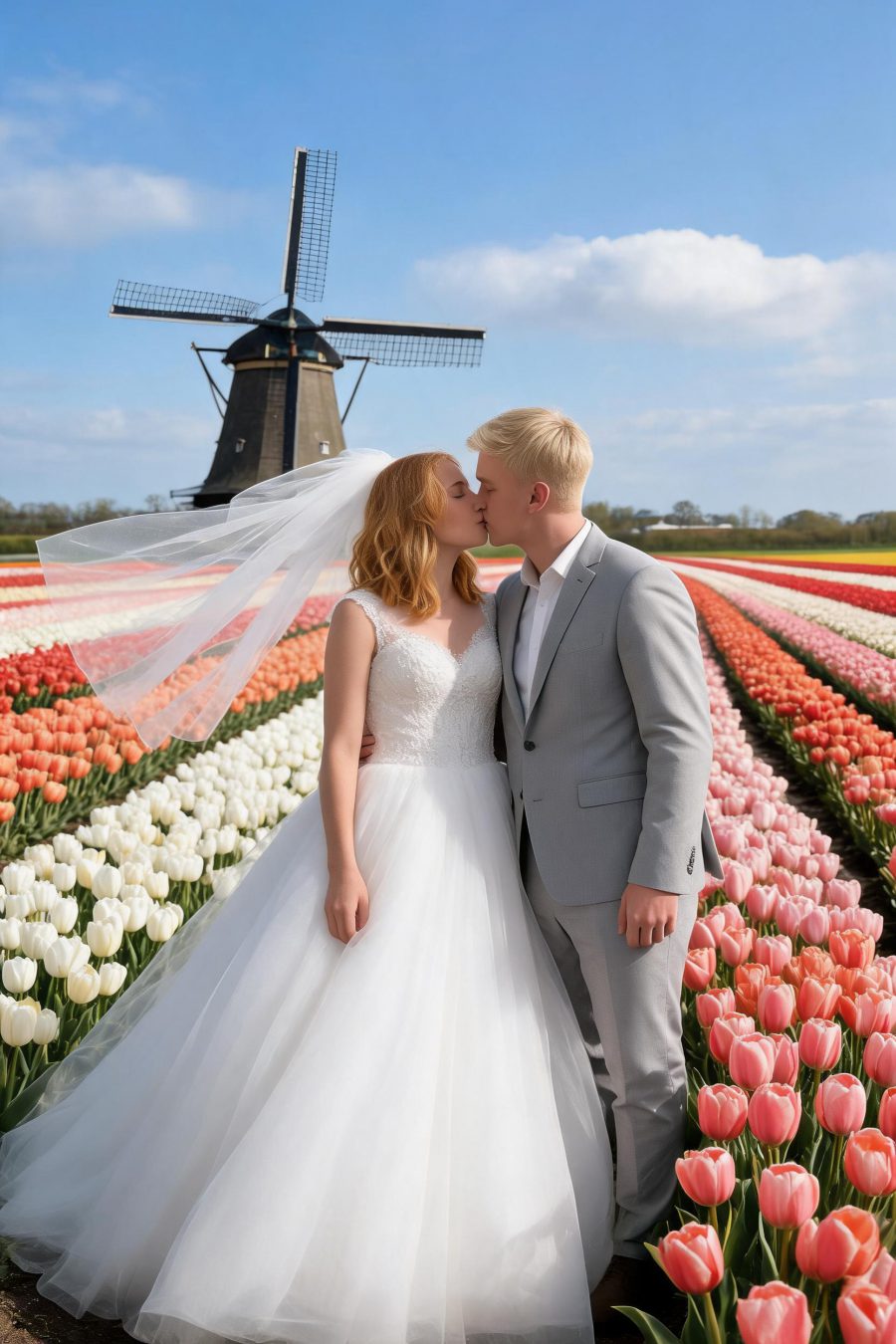
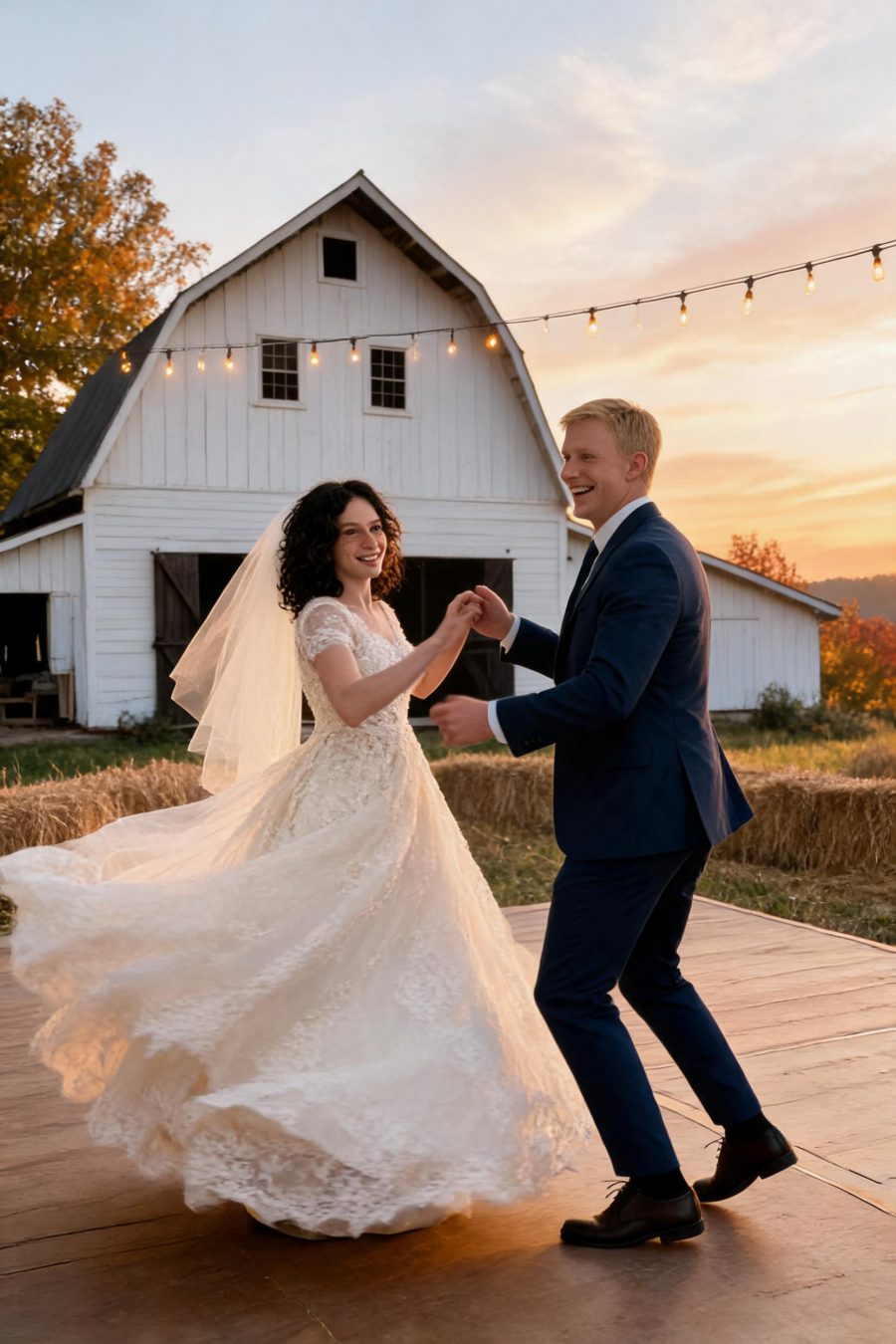
A timeless sepia-toned photograph of a 1920s couple in vintage wedding attire, captured in a romantic cobblestone courtyard with soft, nostalgic lighting.
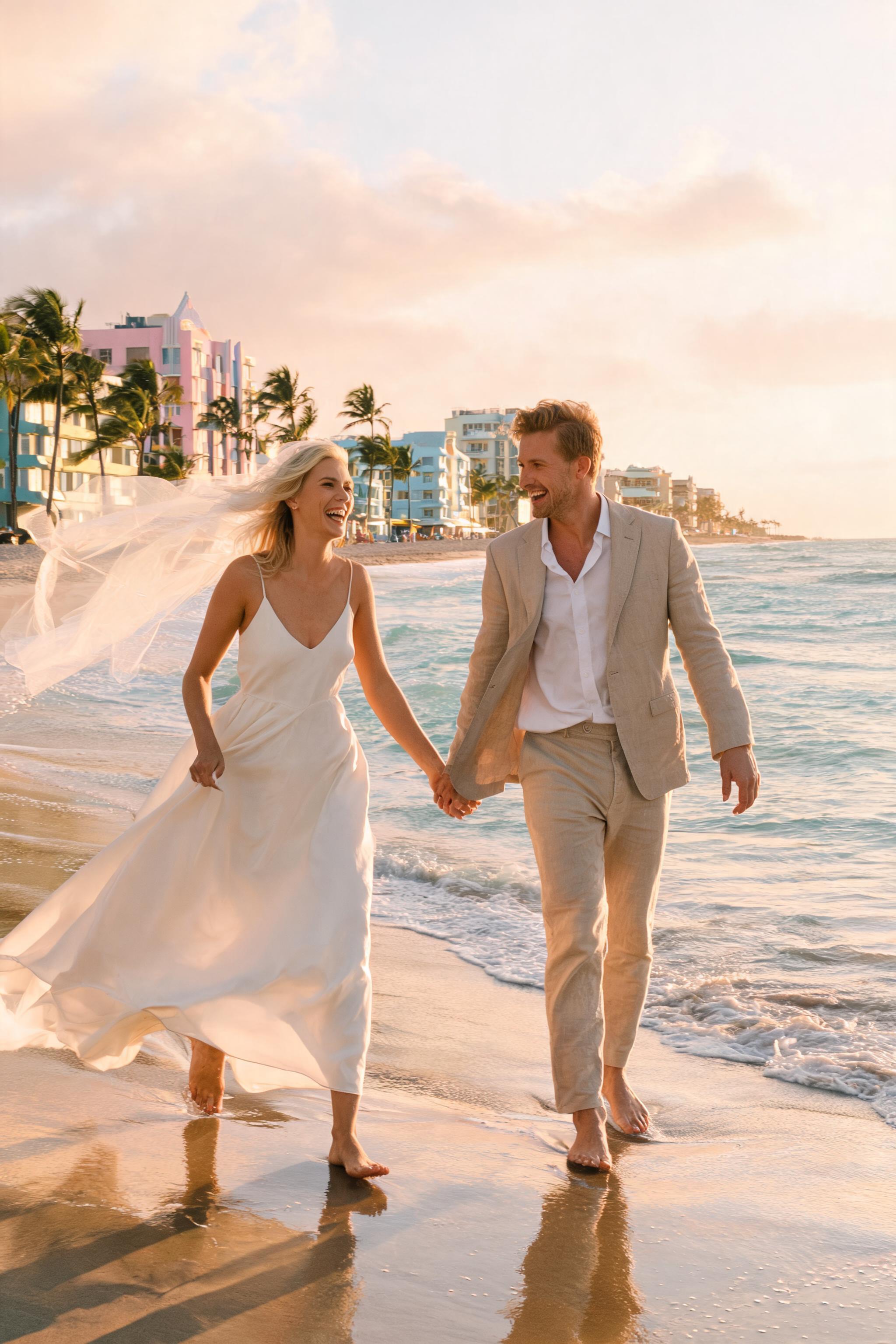
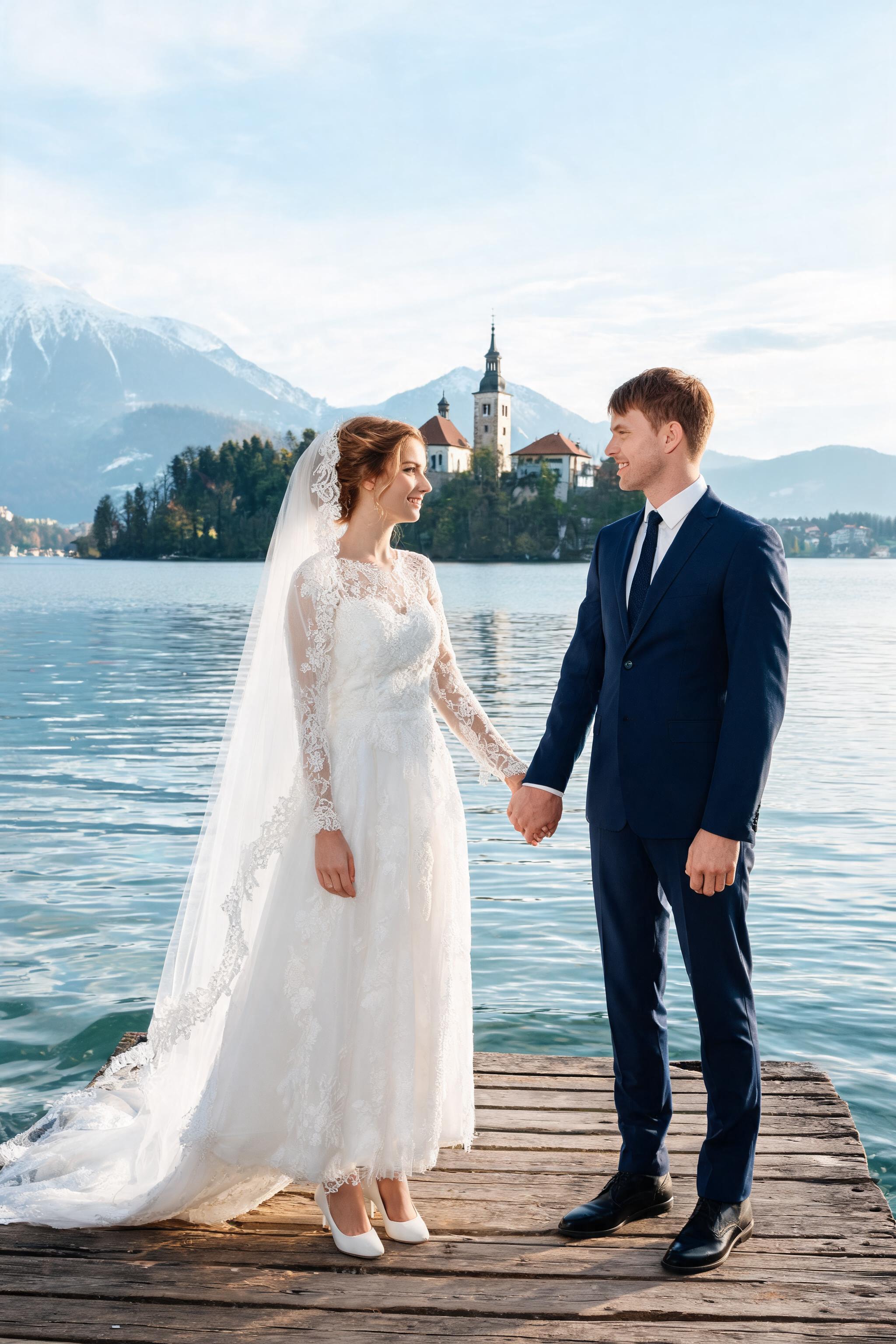
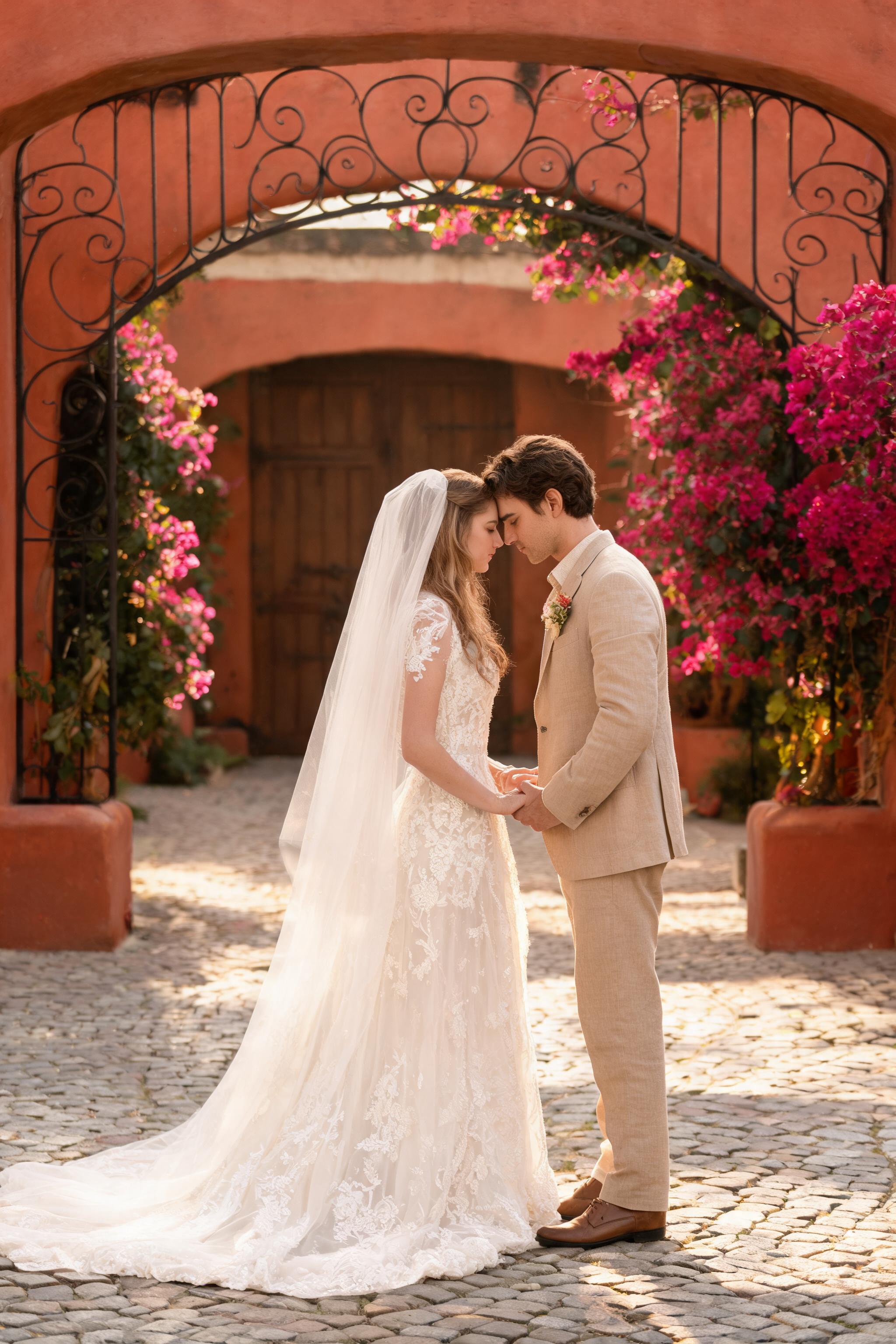
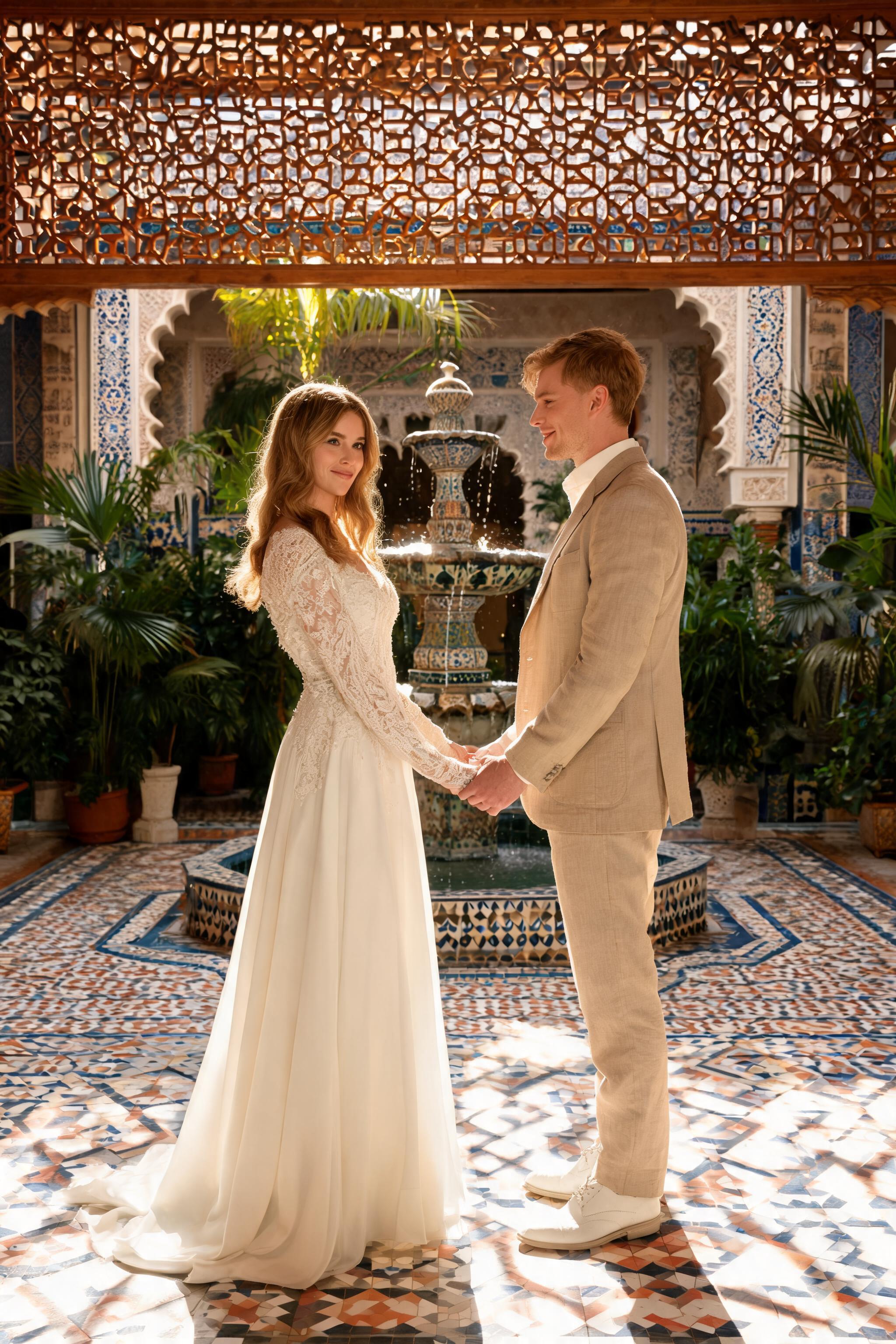
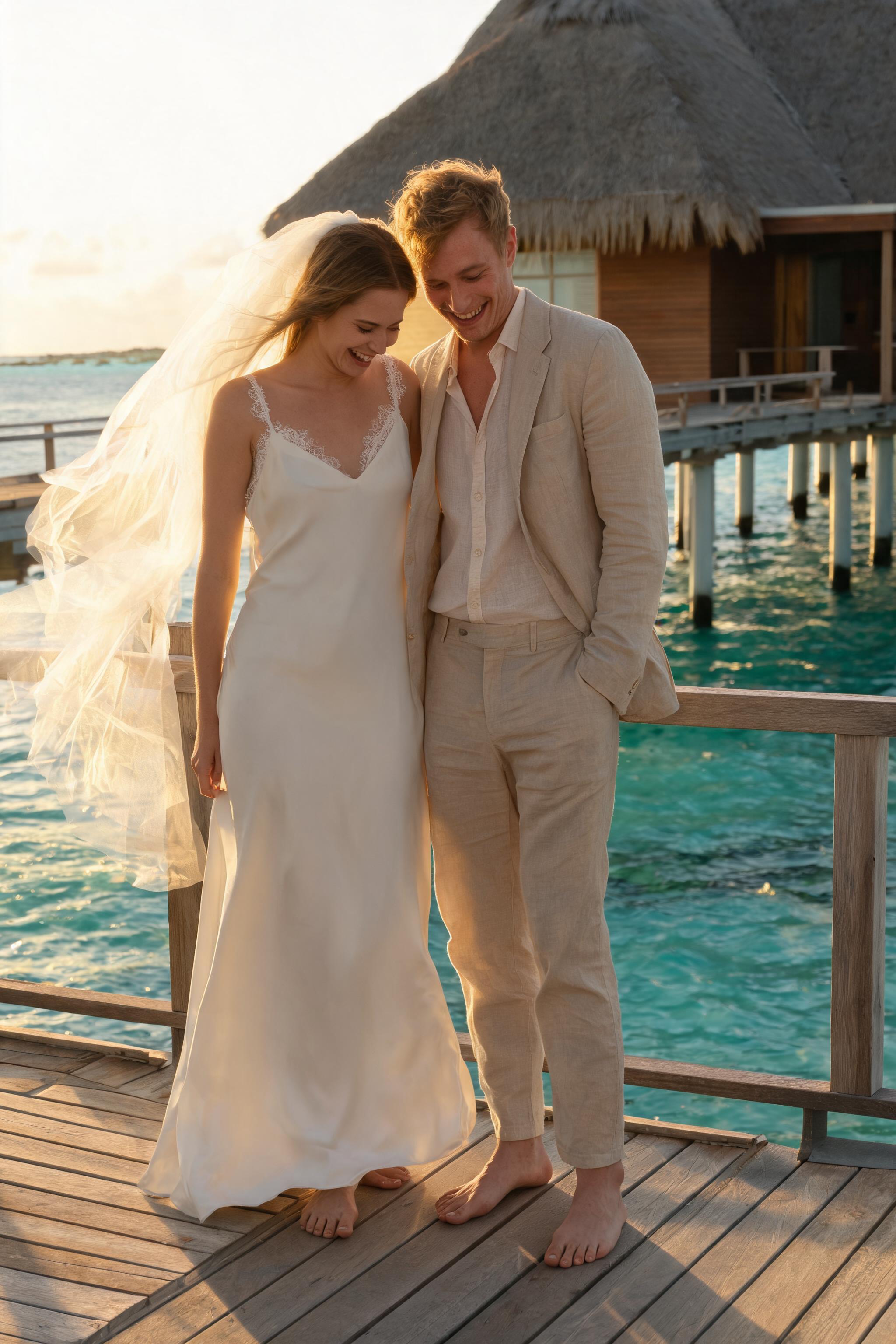
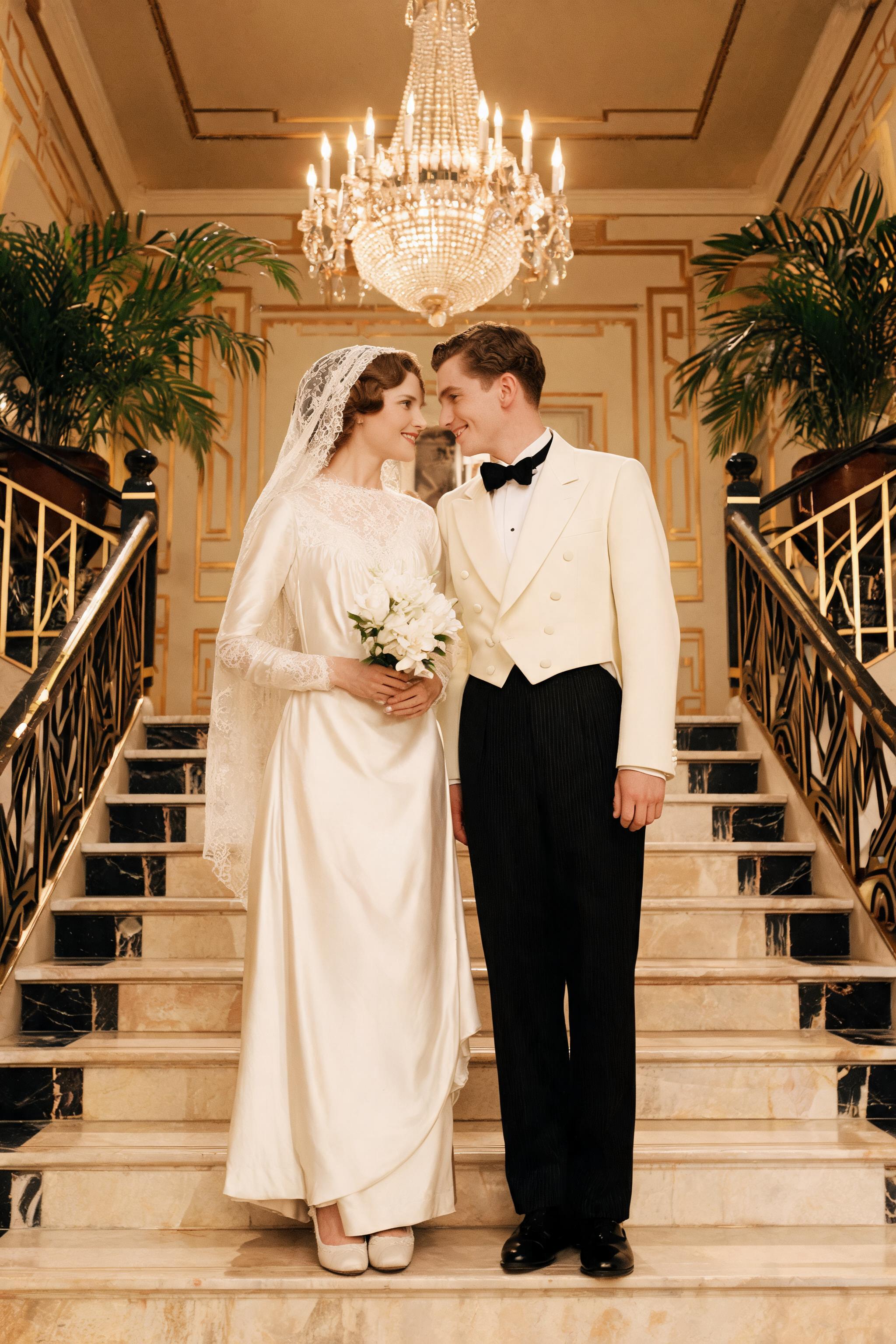
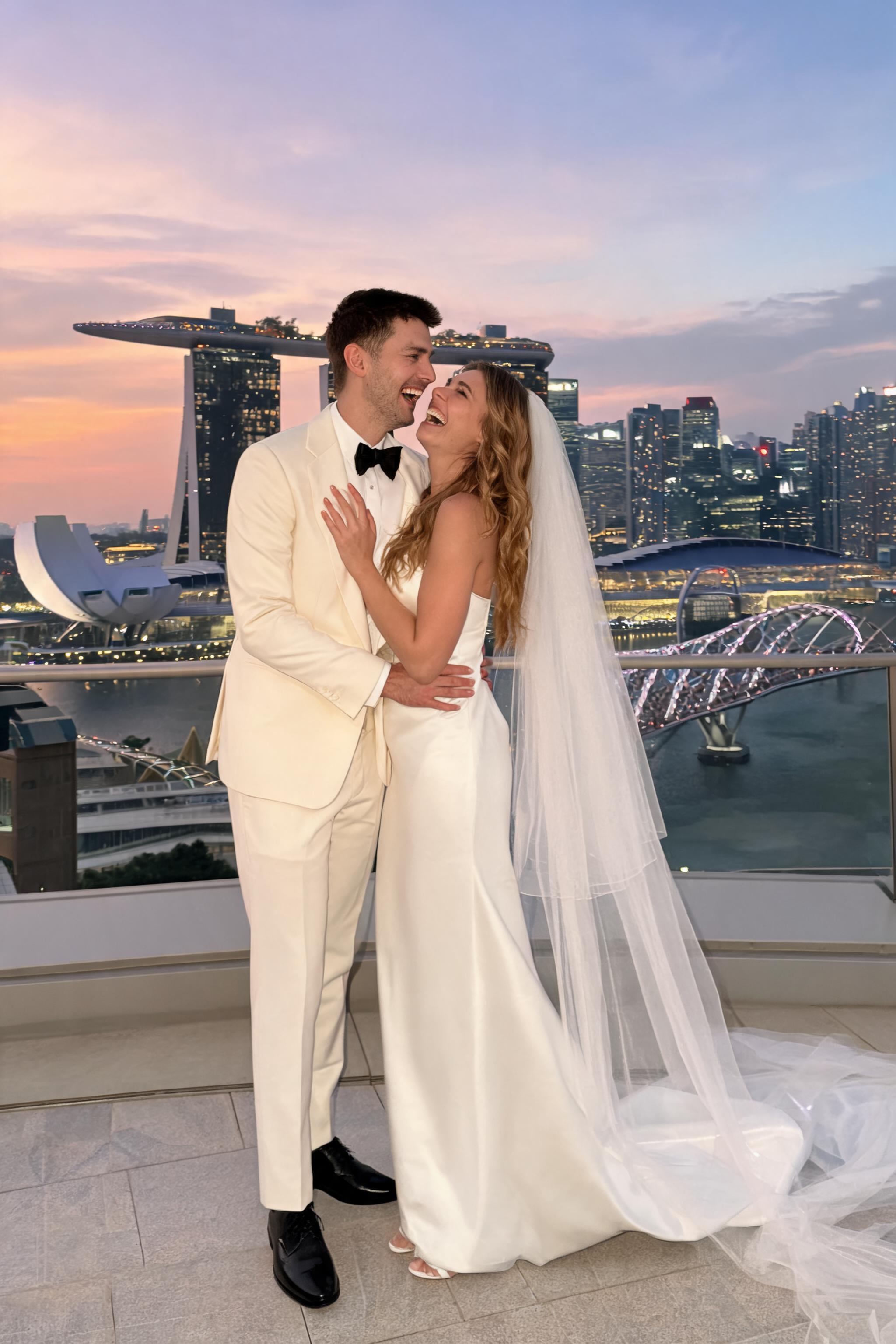
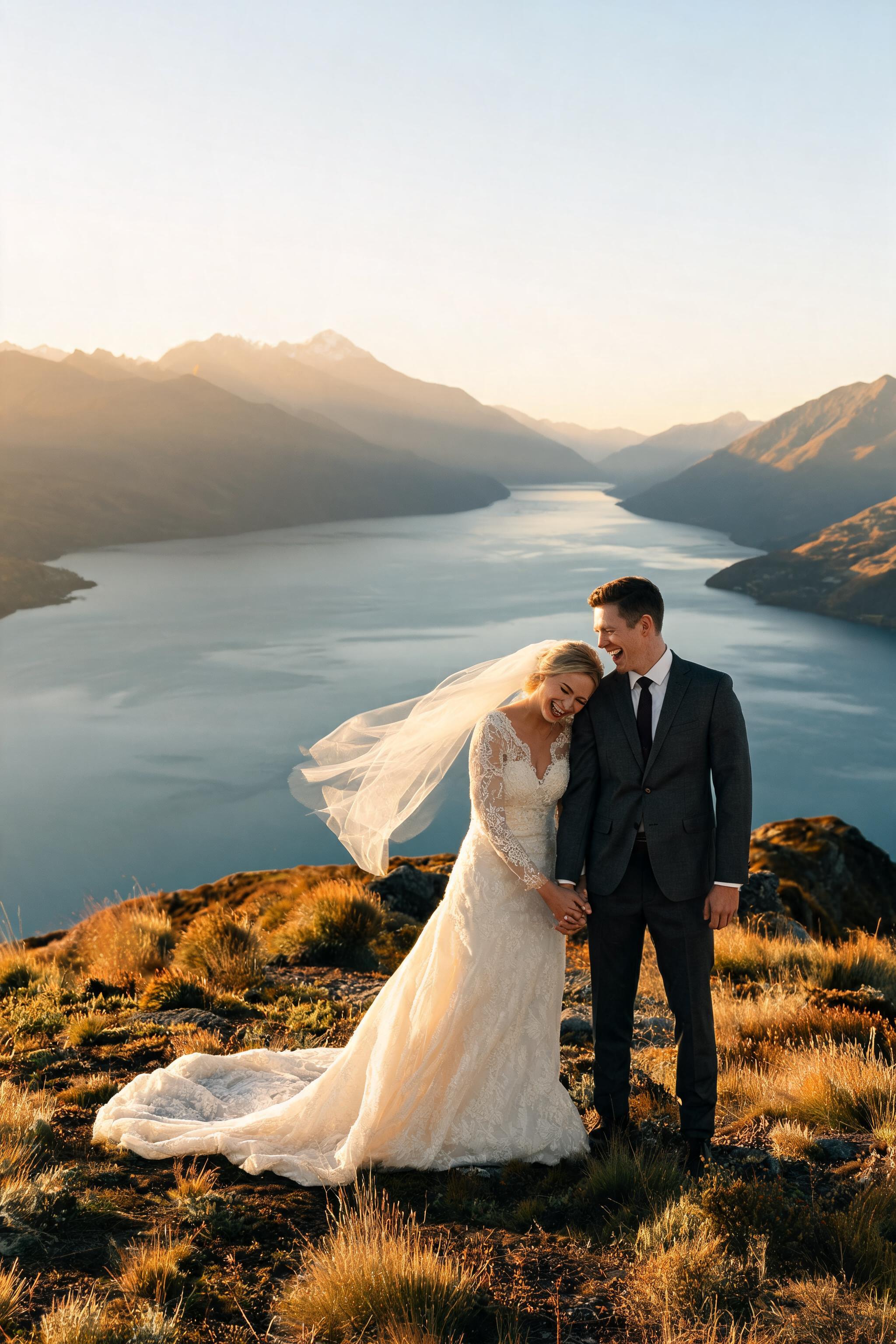
There is a particular warmth to a sepia wedding photograph that modern color can't quite replicate. This look places a couple in full 1920s European wedding attire — the bride in a drop-waist silk gown with lace detailing and a long veil, holding a bouquet of dried flowers, the groom in a dark suit, bow tie, and fedora — within a cobblestone courtyard framed by ivy-covered walls, a wooden door, and potted plants. The light is soft and diffused, as though filtered through an overcast sky, and the sepia palette settles over everything like memory itself. Body language stays natural and candid: the groom's hand resting gently at the bride's elbow, both standing head to toe so every detail of the outfits and the rustic setting reads clearly. Slight analog grain and a wide-angle composition give the scene the texture of a found family photograph rather than a staged portrait.
Choose a courtyard or garden with cobblestones, ivy-covered walls, and a visible wooden door; these textures carry the sepia tone and give the full-body frame a natural backdrop.
Commit fully to 1920s silhouettes: a drop-waist silk gown with lace details and a long veil for the bride, a dark suit with bow tie and fedora for the groom. Partial period styling reads as costume in sepia.
Keep flowers and accessories in muted, dried tones — dried flower bouquets, no bright seasonal blooms — so nothing pulls the eye out of the warm sepia range.
Plan for overcast or shaded light and shoot the full body from head to toe, capturing an unposed gesture such as a hand at the elbow rather than a formal stare at the camera.
This look sits apart from brighter, garden-party wedding styles by leaning into muted sepia, overcast diffusion, and analog grain rather than fresh color and sunlight. Where modern editorial portraits favor close crops and clean backdrops, this one insists on full-body framing, period attire, and a rustic courtyard with ivy, a wooden door, and potted plants.
Authenticity comes from period styling and setting working together: 1920s drop-waist gown, lace, long veil, fedora, and bow tie, placed in a cobblestone courtyard with ivy and a wooden door. Soft, diffused light and slight film grain complete the effect.
The story lives in the complete outfits and the rustic setting. A head-to-toe view shows the drop-waist gown, long veil, and fedora alongside the cobblestones, ivy, and potted plants, so the period styling and location read as one scene.
Soft, diffused light, as if from an overcast sky, works best. It keeps shadows gentle across faces and silk, preserves detail in the ivy and cobblestones, and lets the warm sepia palette stay even rather than patchy.
Dried flowers in muted tones suit the palette best. Strong color can distract within a sepia image, while dried blooms echo the nostalgic mood and match the period styling of a 1920s bride's bouquet.