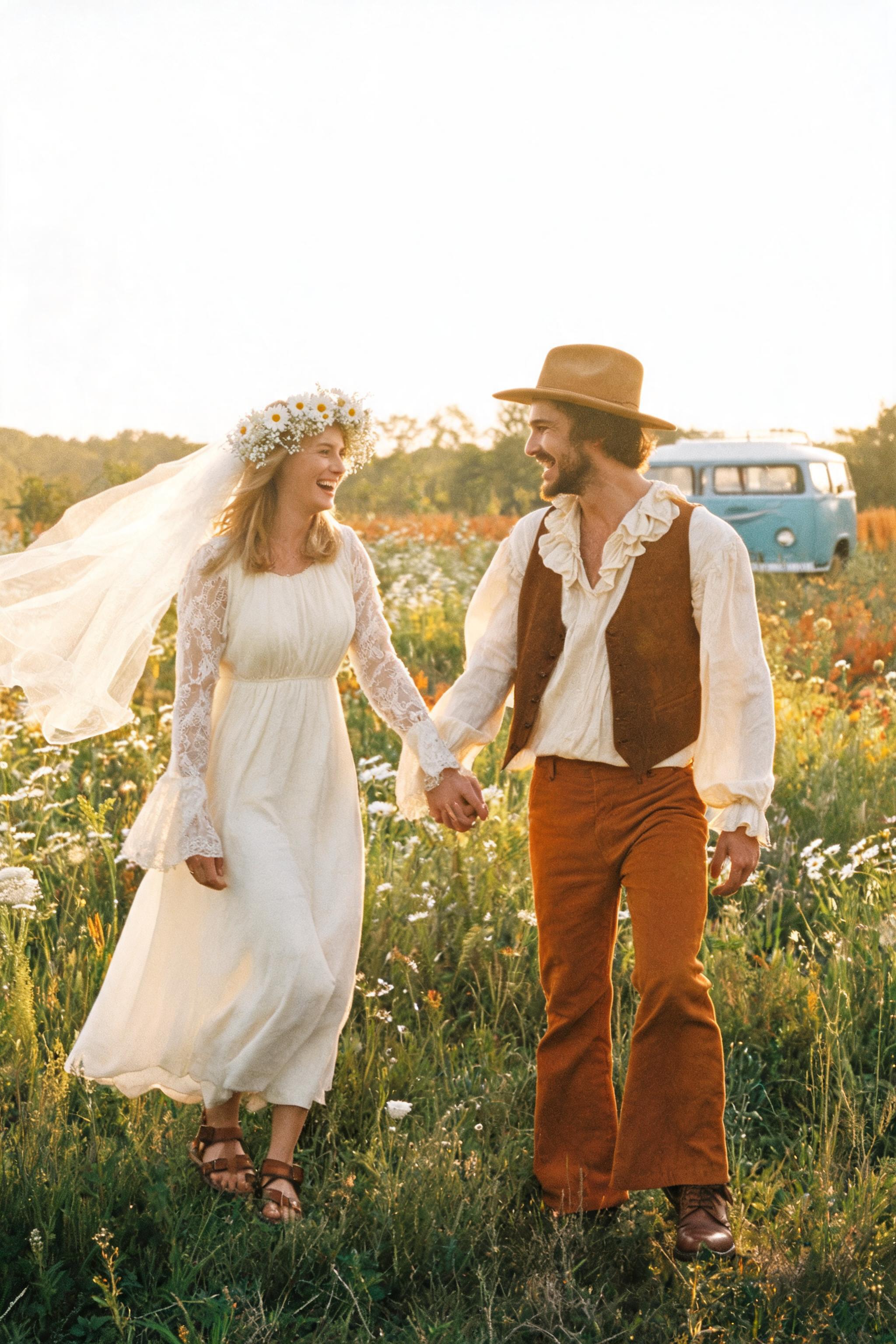
A serene Kyoto temple garden setting frames a Japanese couple in traditional shiromuku and montsuki attire, captured in soft afternoon light with elegant, candid tenderness.
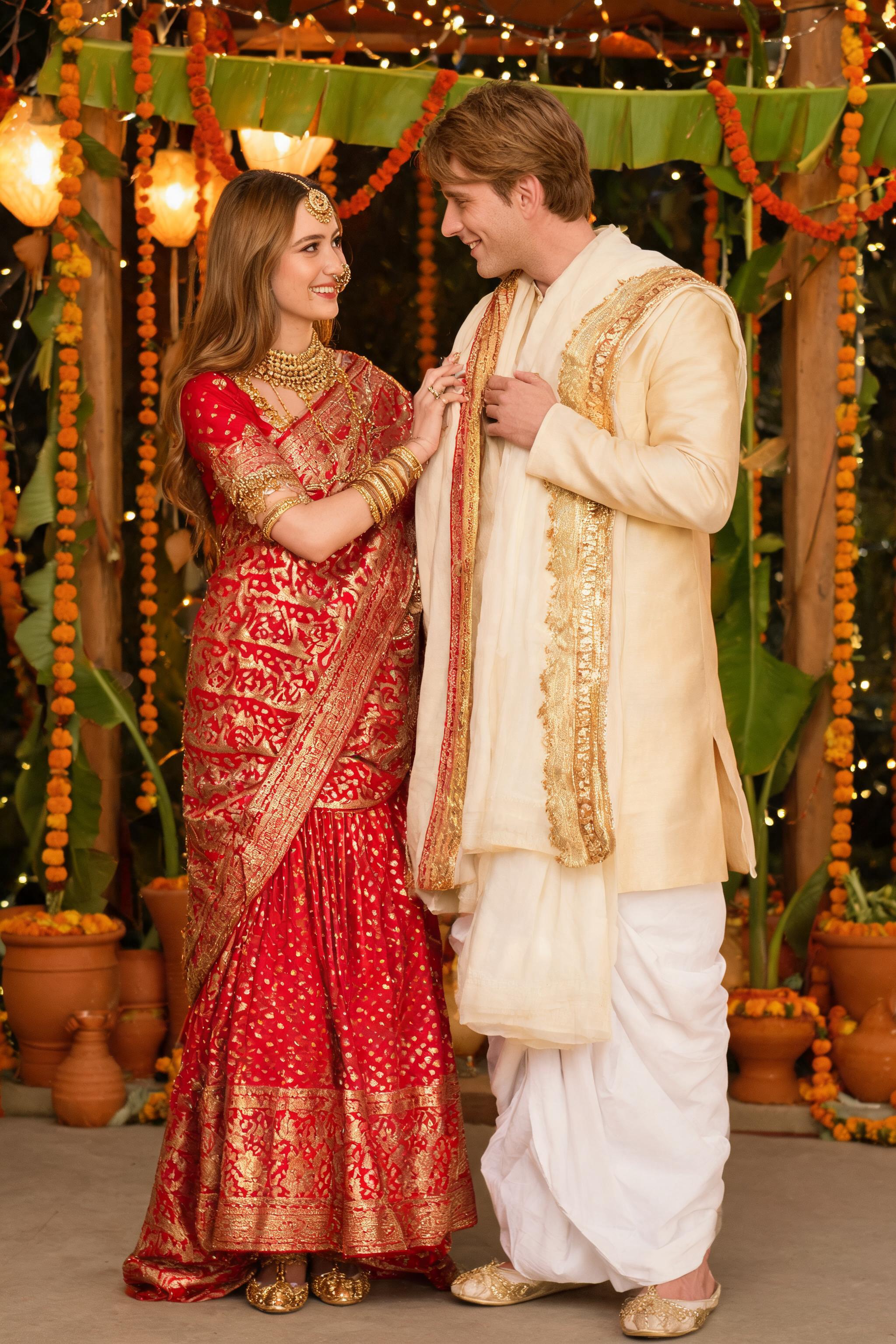
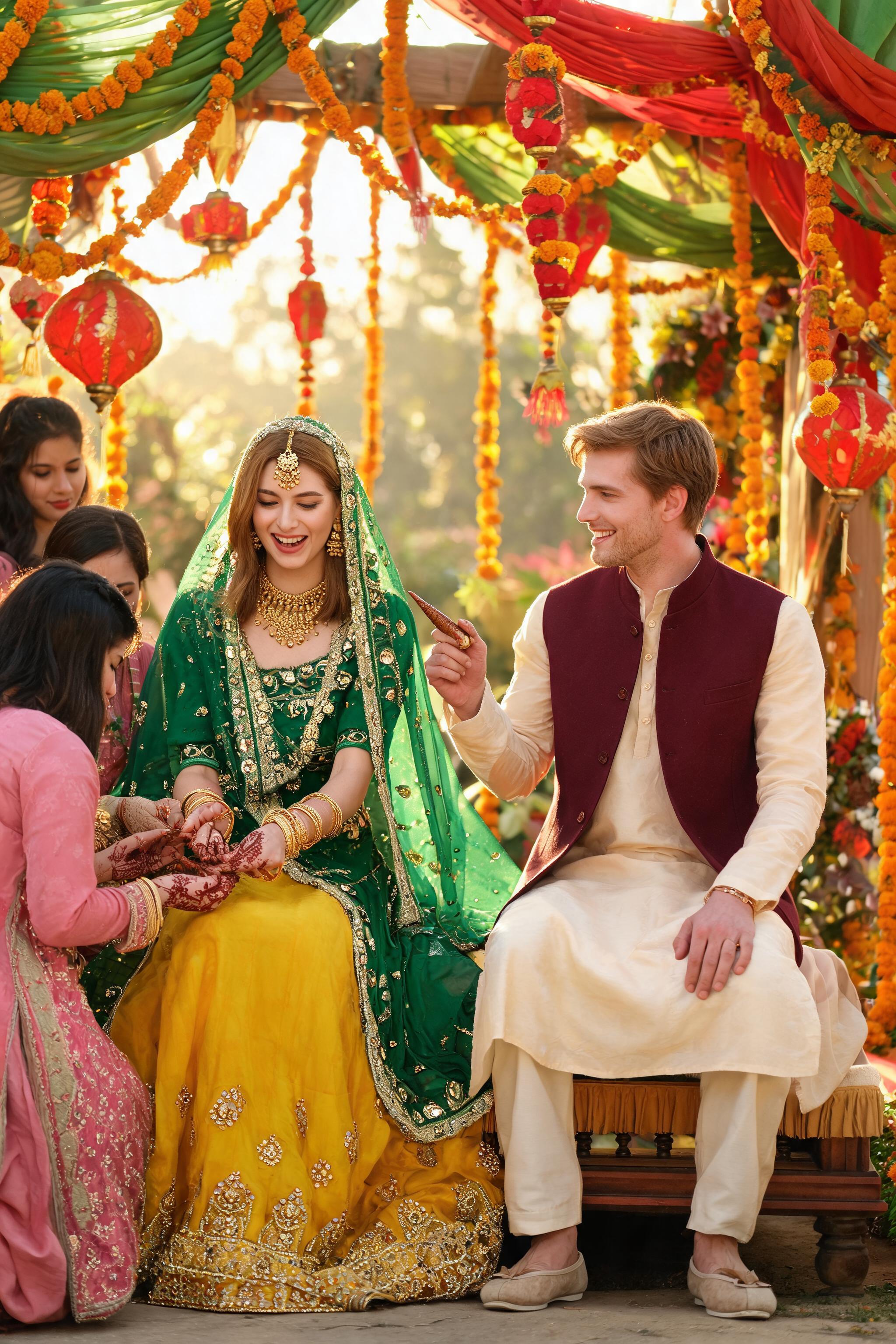


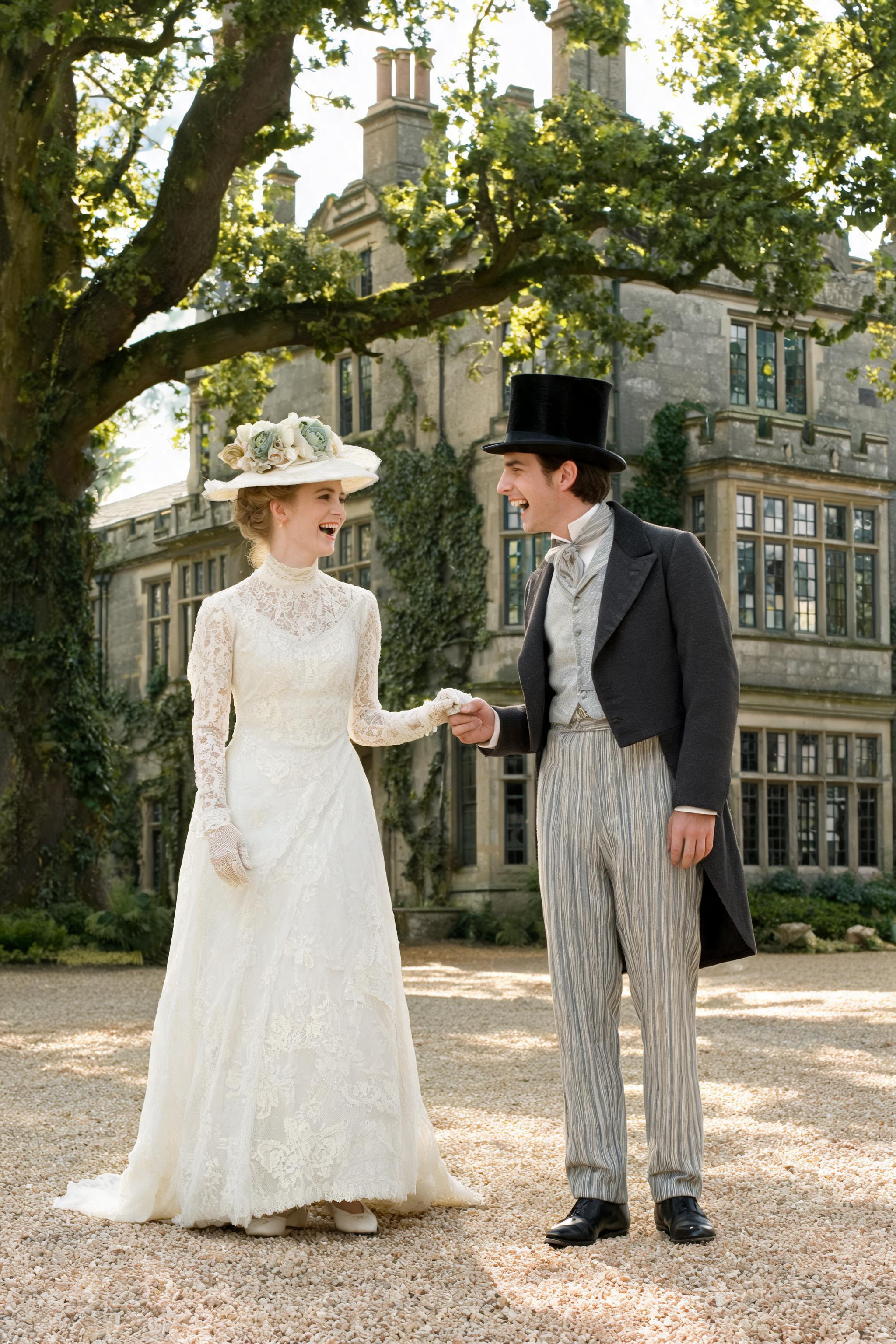
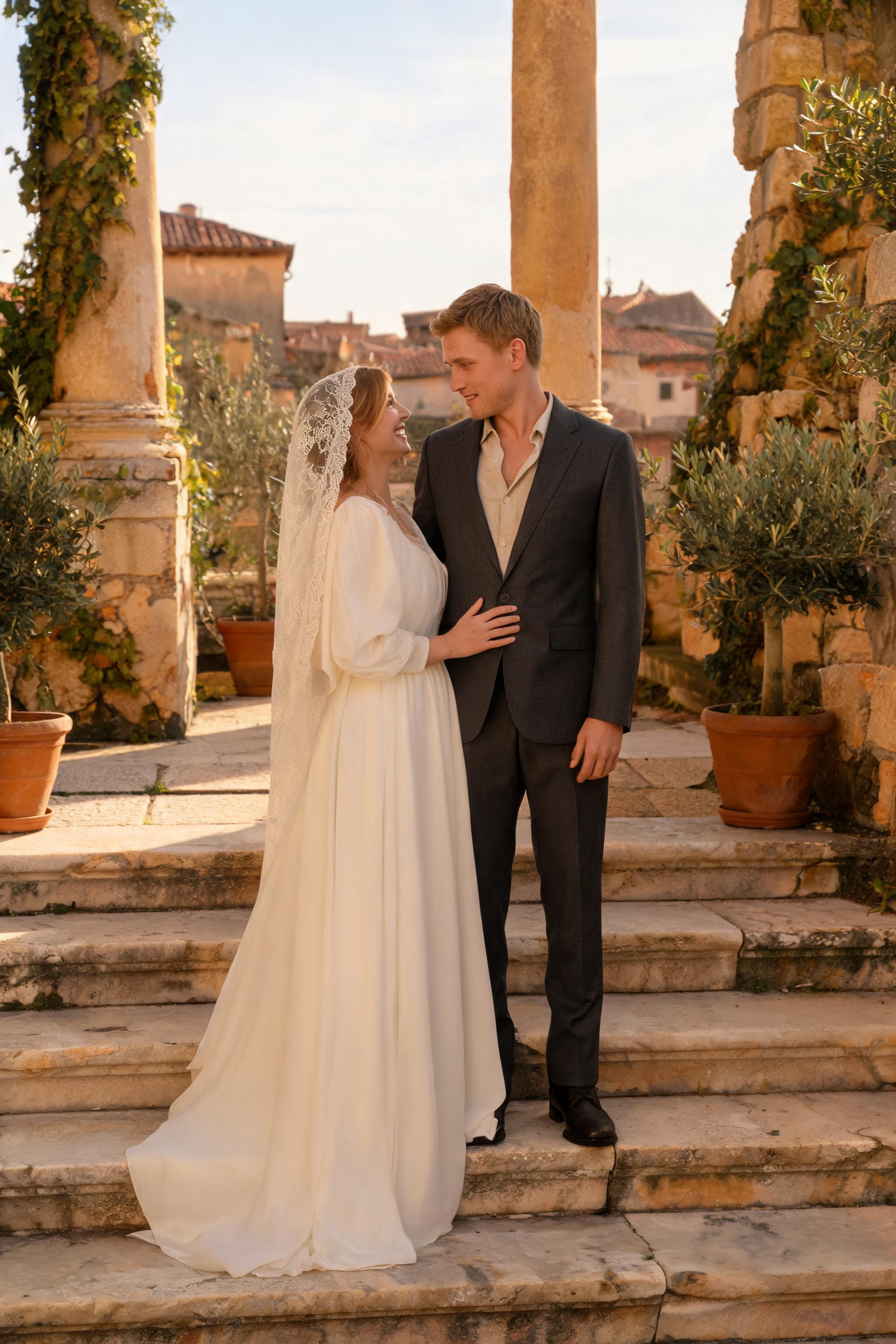
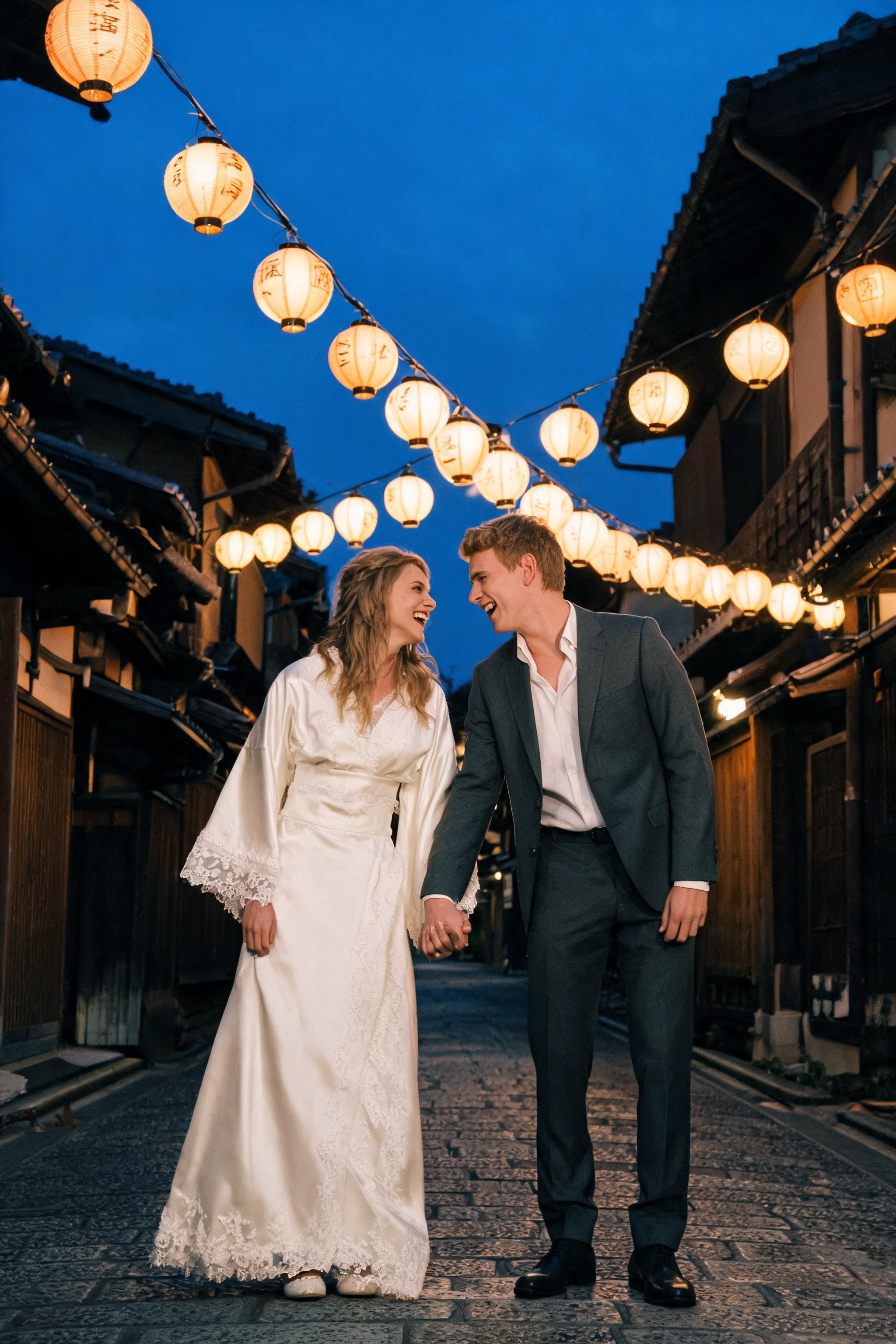

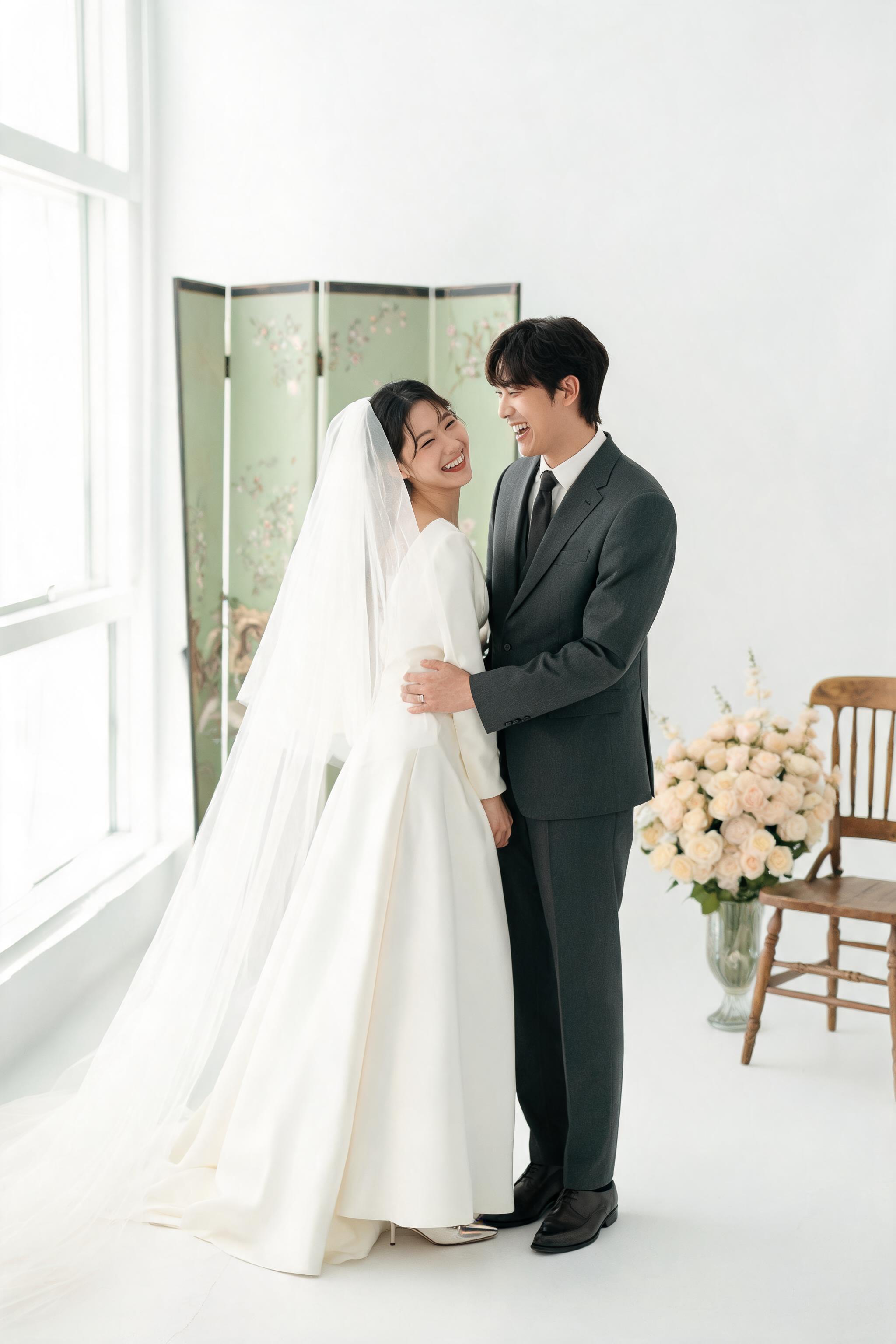
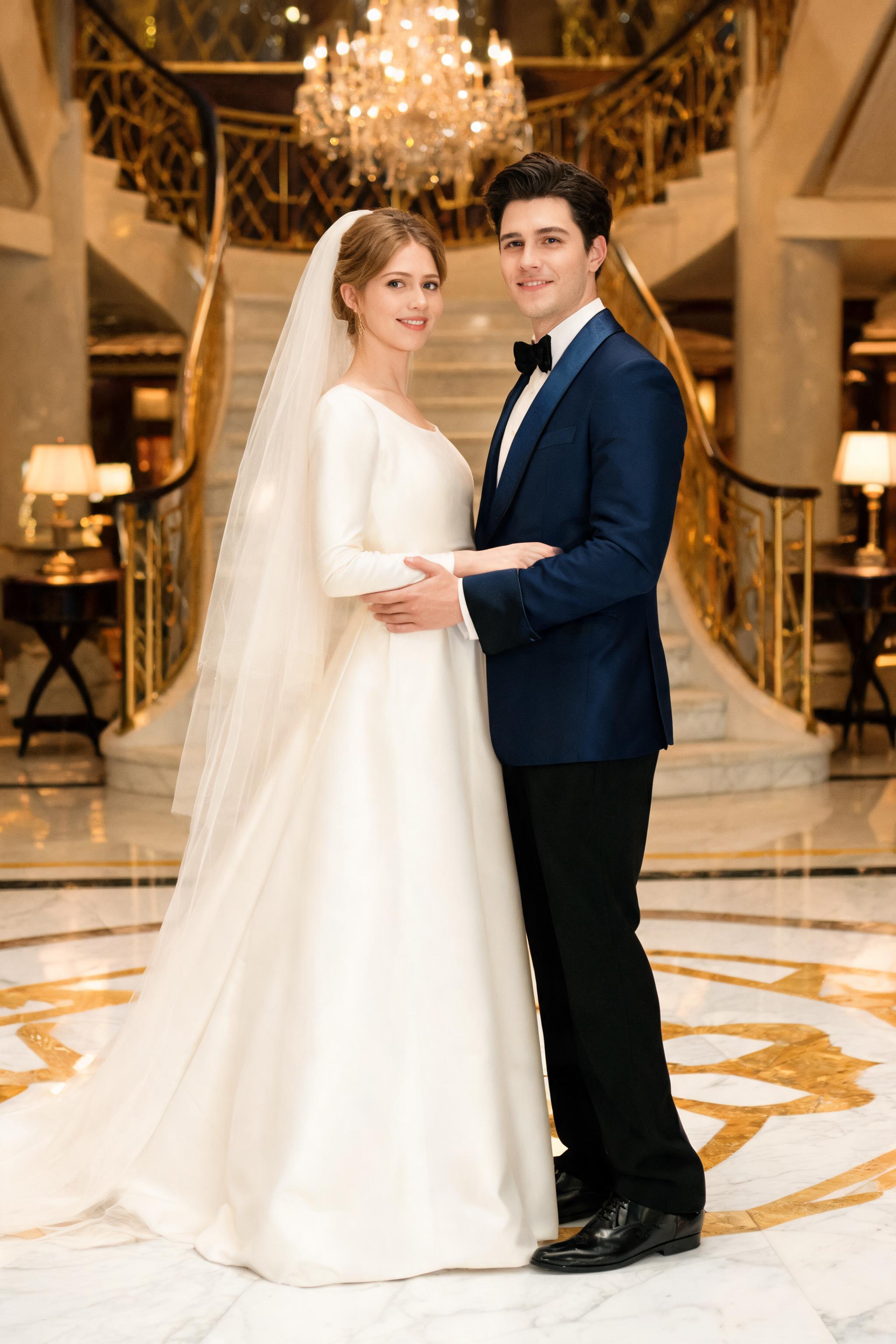


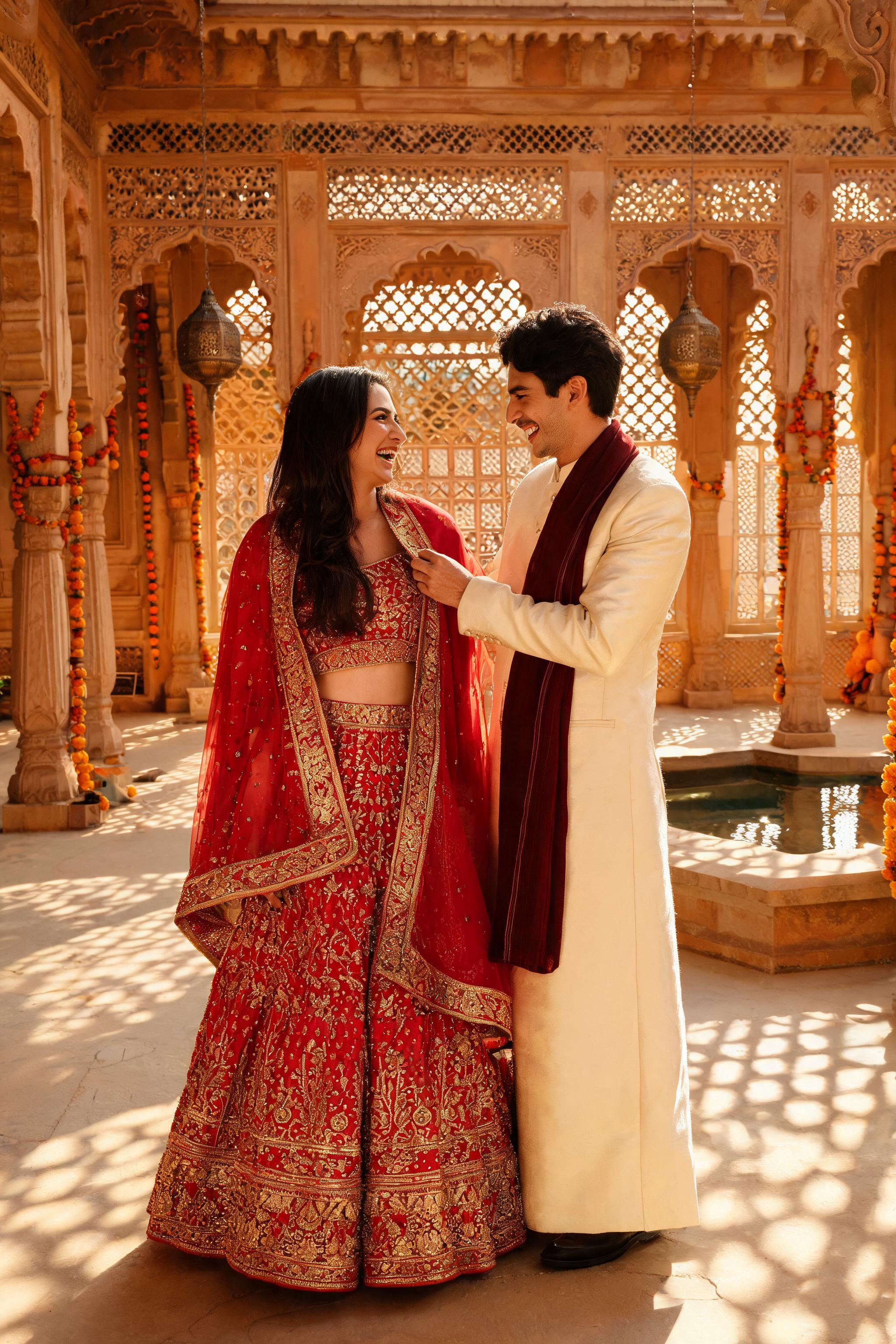

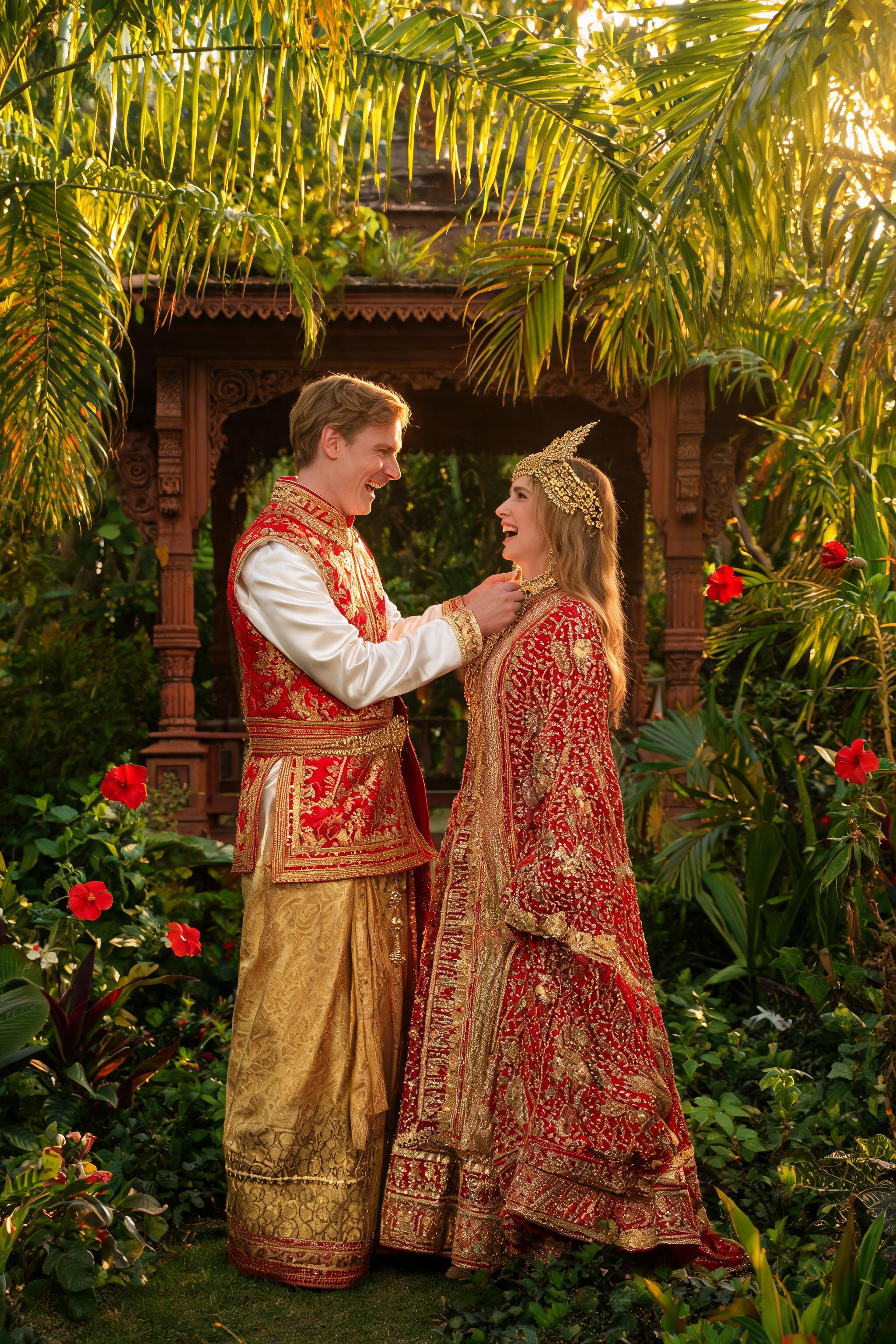


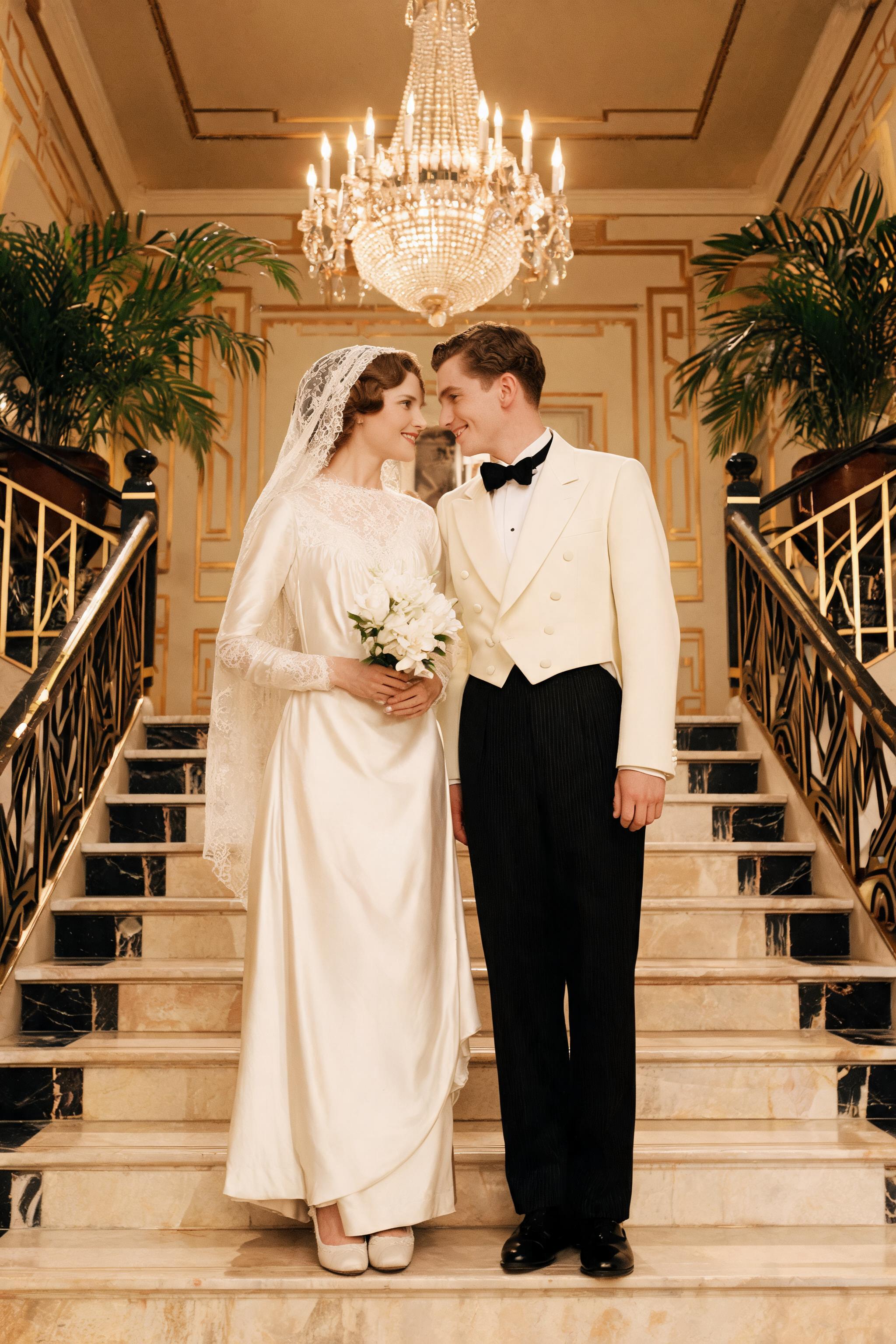
Step into a serene Kyoto temple garden, where soft late-afternoon light filters through maple leaves. The bride wears a pure-white shiromuku kimono with a voluminous wataboshi hood, embroidered with silk crane motifs, while the groom stands in a black montsuki haori and hakama adorned with family crests. Their body language is candid and tender—she adjusts her sleeve, he offers a steadying hand, both smiling gently. Warm lantern glow mingles with cool leafy shadows, creating a palette of ivory, ink black, moss green, and vermilion. The scene is captured in a full-body editorial photograph, with a weathered wooden gate, raked gravel, and paper lanterns completing the backdrop. This is a moment of quiet elegance, where tradition and intimacy meet.
Choose a temple garden with a stone path, raked gravel, and a weathered wooden gate to provide authentic texture and depth. Late afternoon offers the softest light.
Ensure the bride's shiromuku includes a wataboshi hood and crane motifs, and the groom's montsuki haori and hakama feature family crests for traditional authenticity.
Stick to ivory, ink black, moss green, and vermilion to harmonize with the garden's natural tones and the formal attire, avoiding bright distractions.
Encourage gentle, unposed interactions like adjusting a sleeve or offering a hand. These candid gestures convey tenderness and keep the portrait feeling alive.
This look is distinct for its full-body composition in a Kyoto temple garden, emphasizing the complete traditional attire and serene setting. Unlike portraits that focus on close-up emotions or indoor ceremonies, it captures the couple within a landscaped environment, blending formal elegance with natural tranquility.
A shiromuku is a formal pure-white wedding kimono worn by Japanese brides. It symbolizes purity and is often paired with a voluminous wataboshi hood. The white silk may feature embroidered motifs like cranes for good fortune.
The montsuki haori and hakama are traditional formal attire for Japanese grooms. The black fabric with family crests (montsuki) signifies solemnity and respect, while the hakama trousers add ceremonial elegance, perfectly complementing the bride's shiromuku.
A Kyoto temple garden provides a serene, authentic backdrop with stone paths, raked gravel, and wooden gates. The natural elements and soft light enhance the traditional atmosphere, creating a timeless and peaceful mood that highlights the couple.
Focus on natural interactions rather than posed stiffness. Simple gestures like adjusting a sleeve or offering a steadying hand, along with gentle smiles, convey genuine emotion. The soft late-afternoon light further enhances the intimate feel.